
1. Exceptional High-Temperature Resistance-Mullite RTO Ceramic
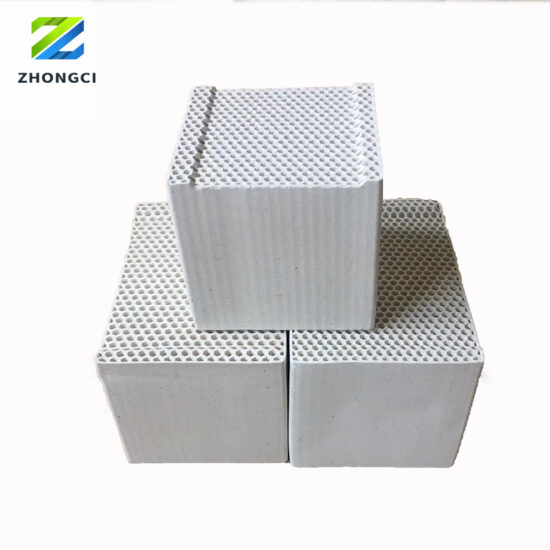
- Working Temperature Range: Withstands continuous operation at 1300–1600°C, far exceeding metal-based regenerators (e.g., stainless steel max. ~800°C).
- Thermal Stability: Maintains structural integrity even under extreme heat, making it suitable for harsh environments like steel melting furnaces or glass kilns.
2. Superior Thermal Energy Storage Efficiencyhttps://www.rtoceramic.com/product-category/all-products/rto-honeycomb-ceramic/
- High Heat Storage Density: 1.0–1.5 kJ/(kg·K), enabling rapid absorption and release of thermal energy.
- Large Specific Surface Area: 200–500 m²/m³ (5–10 times higher than traditional refractory bricks), maximizing heat transfer efficiency.
- Energy Recovery Rate: Achieves 85%–95% in regenerative systems, reducing fuel consumption by 30%–50%.
3. Outstanding Thermal Shock Resistance-RTO Ceramic Regenerators
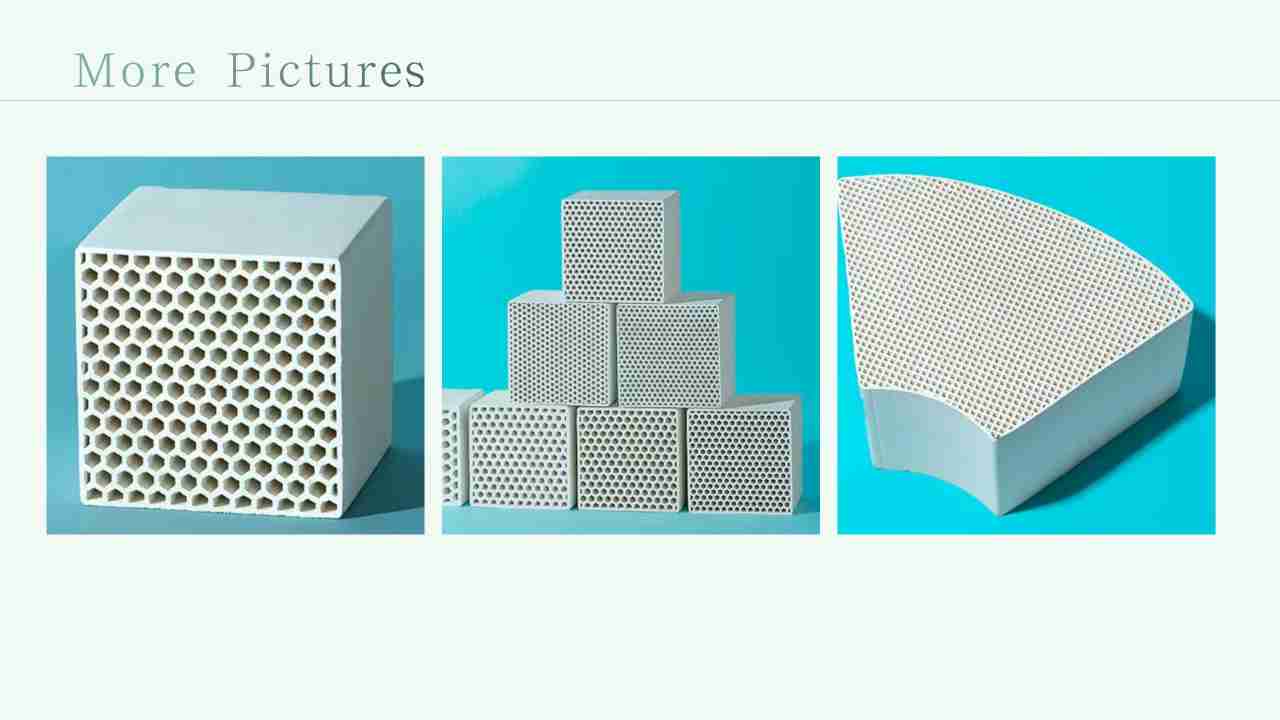
- Cyclic Stability: Withstands rapid temperature fluctuations (e.g., from 800°C to 25°C) without cracking or degradation, ideal for regenerative thermal oxidizers (RTOs) with periodic heating/cooling cycles.
- Low Thermal Expansion Coefficient: 2.5–4.0×10⁻⁶/°C (20–1000°C), minimizing stress from thermal expansion.
4. Excellent Chemical Corrosion Resistance
- Immunity to Harsh Media: Resists corrosion from acidic gases (e.g., SO₂, NOx) and alkaline fluxes, ensuring long service life in industrial combustion systems.
- Non-reactive Surface: Does not contaminate process gases, making it suitable for high-purity applications like ceramic glazing furnaces.
5. High Mechanical Strength
- Compressive Strength: >30 MPa, maintaining structural stability under heavy loads or high-pressure gas flows.
- Wear Resistance: Durable against particulate erosion in flue gas streams, reducing maintenance needs.
6. Optimized Porosity and Flow Dynamics
- Controlled Porosity: 70%–85% porosity balances heat storage capacity with pressure drop (low flow resistance), ideal for energy-saving designs.
- Uniform Flow Distribution: Honeycomb structure ensures laminar gas flow, minimizing dead zones and hotspots.
7. Compact Design and Lightweight
- Space Efficiency: Reduces equipment volume by 30%–40% compared to traditional regenerators (e.g., refractory brick beds), lowering installation costs.
- Low Bulk Density: 1.8–2.2 g/cm³, easing mechanical stress on supporting structures.
8. Long Service Life and Low Maintenance– RTO Ceramic Regenerators
- Durability: Operates for 5–10 years without performance degradation, outperforming metal regenerators (2–3 years).
- Cost-Effectiveness: Reduces replacement frequency and downtime, contributing to lower lifecycle costs.
9. Environmental and Energy-Saving Benefits
- Low Carbon Footprint: Minimizes fuel use and CO₂ emissions by recycling thermal energy, aligning with global decarbonization goals.
- VOC Treatment: In RTO systems, efficiently preheats air to 600–1000°C, enabling complete oxidation of volatile organic compounds (VOCs) with minimal energy input.
10. Customizable for Diverse Applications
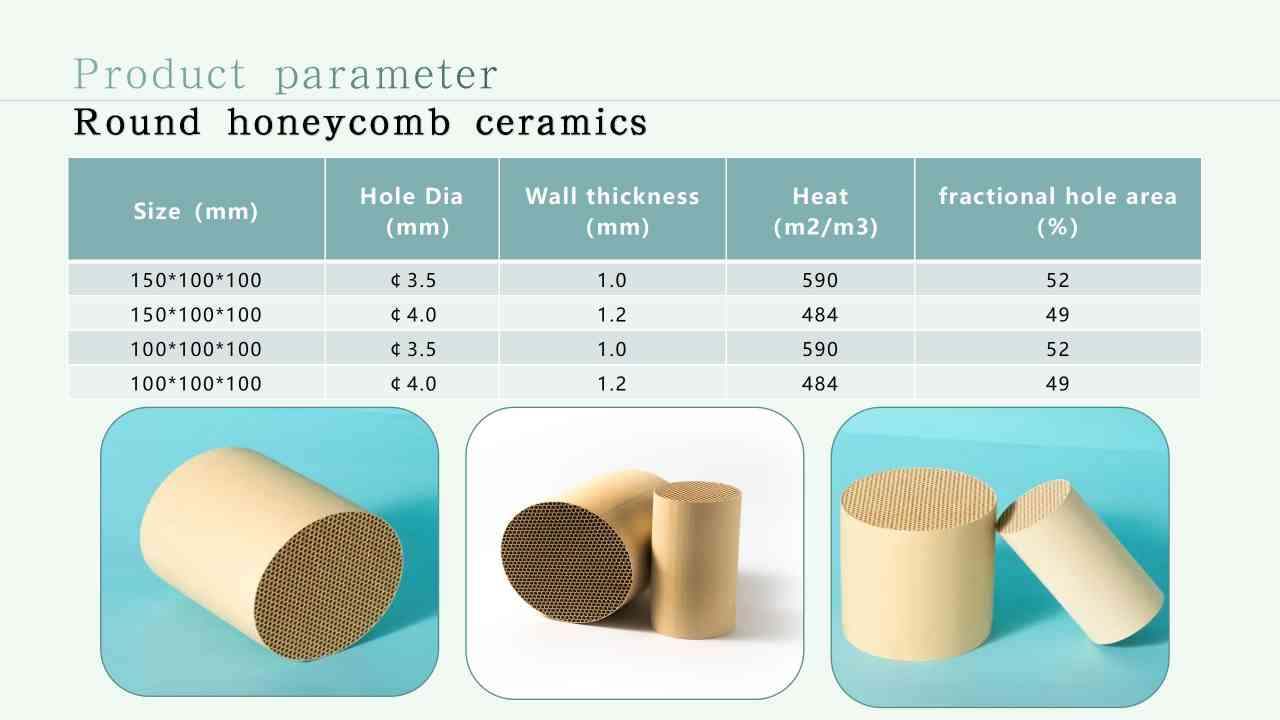
- Tailored Cell Size: 3–10 mm cell diameters adjustable for specific flow rates and heat transfer requirements (e.g., smaller cells for higher surface area).
- Modular Design: Can be fabricated into various shapes (cylinders, blocks, segments) to fit different equipment configurations.https://www.chempackings.com/honeycomb-ceramic/
Summary of Key Advantages
| Advantage | Technical Basis | Impact on Applications |
|---|---|---|
| High-temperature resistance | Mullite crystal structure (melting point ~1890°C) | Enables use in extreme heat processes |
| Efficient thermal storage | High specific surface area and porosity | Reduces energy consumption in furnaces |
| Thermal shock stability | Low thermal expansion coefficient | Supports cyclic heating/cooling systems |
| Chemical durability | Inert ceramic composition | Prolongs life in corrosive environments |
| Lightweight & compact | Honeycomb geometry with controlled density | Optimizes equipment size and weight |
These combined properties make mullite honeycomb ceramic regenerators a preferred choice for modern energy-efficient and low-emission industrial systems.