
Foam ceramic filters lead modern metallurgy with precise molten metal purification.
Crafted from alumina, silicon carbide, zirconia or carbon composites, they balance durability and efficiency.
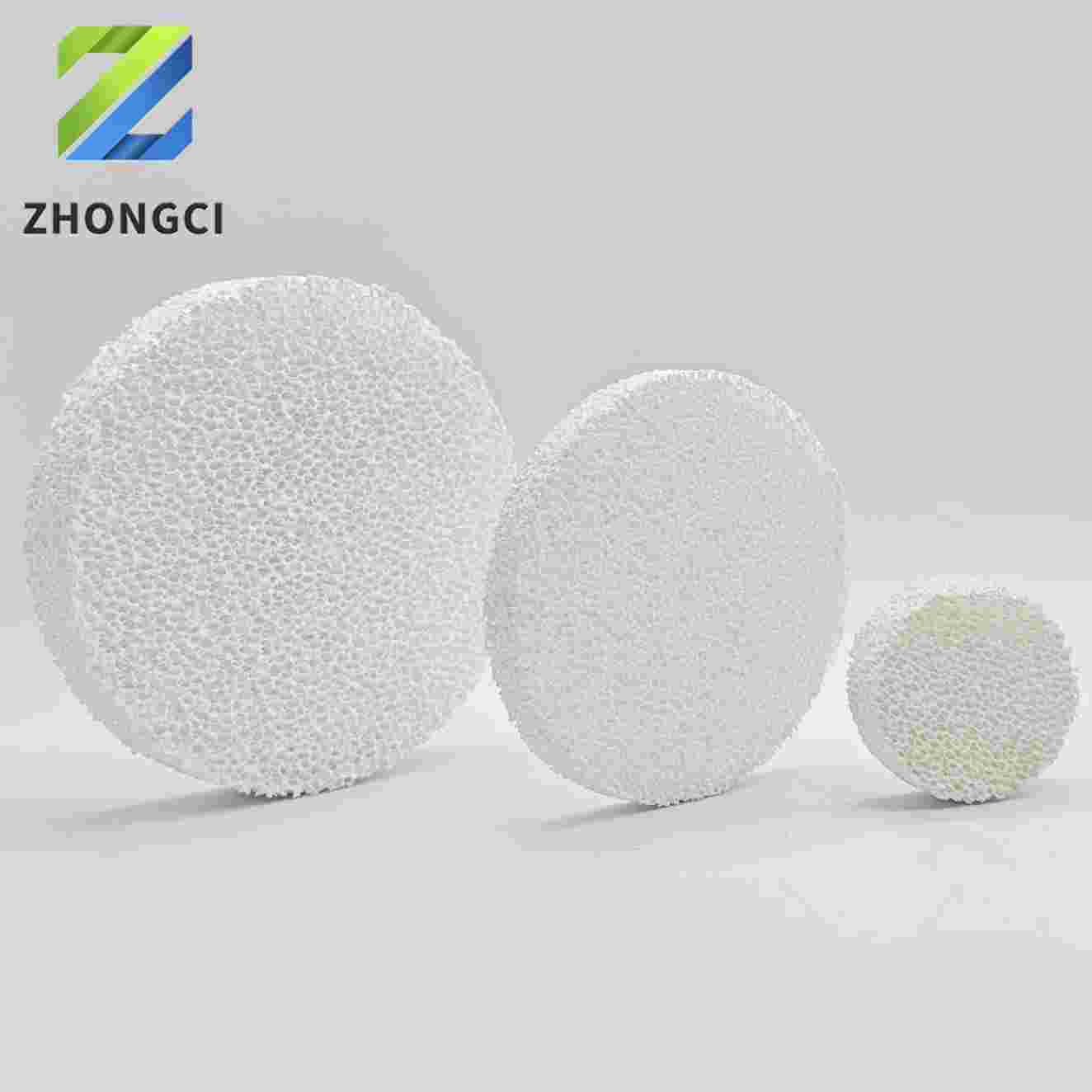
With 70-90% open porosity and 10-70 ppi pore sizes, they target impurities as small as 5 microns.
They stabilize metal flow, critical for automotive, aerospace and precision engineering industries.
Key Material Compositions and Tailored Performance
Alumina filters tolerate 1250°C, ideal for aluminum and alloy casting applications.
They remove solid inclusions, smooth metal flow and reduce casting defects effectively.
Silicon carbide filters handle 1560°C, suiting cast iron and copper alloy manufacturing.
They boost component lifespan by 40% through thorough oxide and slag removal.
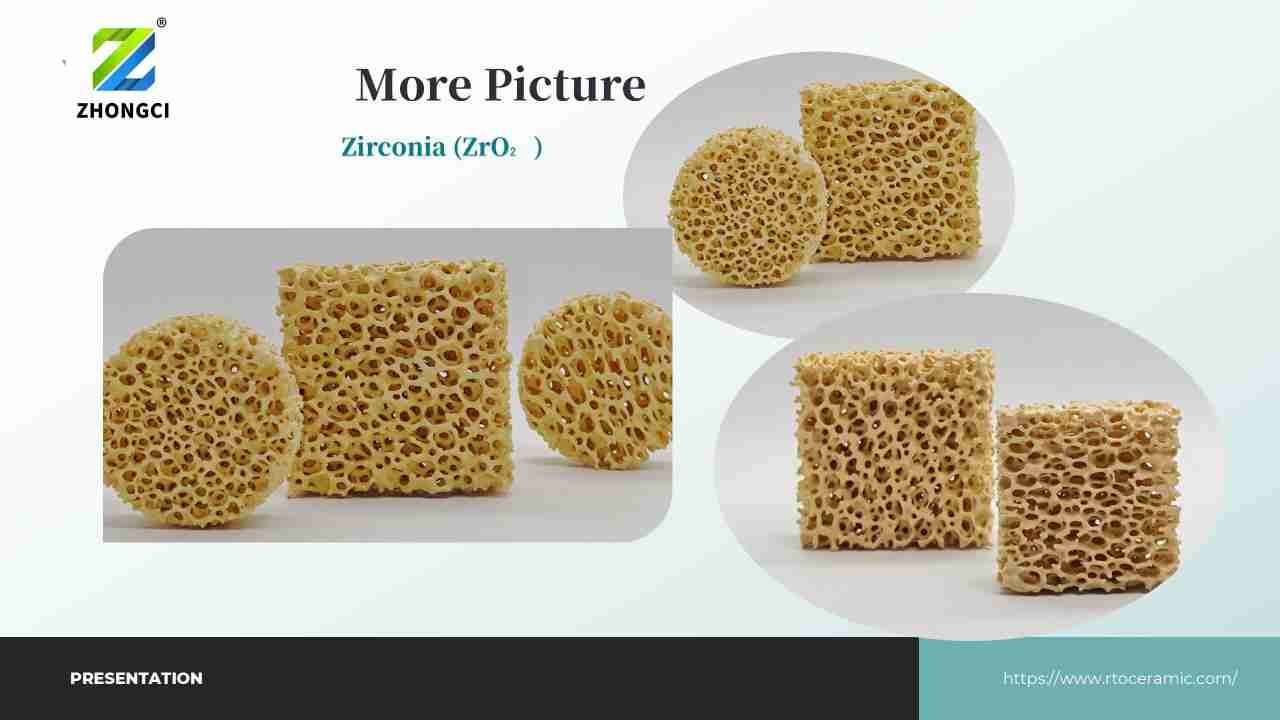
Zirconia filters withstand 1760°C, perfect for steel and superalloy precision casting.
Their thermal shock resistance cuts mold corrosion and scrap rates by over 30%.
Carbon-based filters cater to carbon and low-alloy steels with low bulk density.
They prevent premature solidification and ensure turbulence-free molten metal flow.
Advanced Filtration Mechanism: How Impurities Get Eliminated
Mechanical screening intercepts large non-metallic inclusions like slag and refractory fragments.
The filter cake effect builds on porous skeletons to capture finer particles over time.
Rough, microcracked surfaces increase interfacial energy for better particle capture.
Chemical adsorption traps oxides—fluorides in microcracks bind strongly to Al₂O₃ and SiO₂.
Three-dimensional mesh disrupts laminar flow, creating controlled turbulence.
Extended residence time ensures even minute contaminants get caught before casting.
Wide-Ranging Industrial Applications
Automotive manufacturers use them for engine blocks, cylinder heads and transmissions.https://www.rtoceramic.com/product/alumina-foam-ceramic-filter-plate-for-aquarium-filter-media/
They reduce porosity and improve wear resistance to extend vehicle service life.
Aerospace sectors rely on them for superalloy turbine blades and structural parts.
They eliminate micro-inclusions that cause failures under extreme pressure.
Construction industries apply filtered cast iron for high-strength pipes and fittings.
Filtered metals enhance durability against corrosion and mechanical stress.
Medical device and electronics sectors benefit from their ultra-pure metal delivery.
They meet strict dimensional and performance tolerances for precision components.
Unrivaled Advantages for Modern Manufacturing
They slash casting defect rates by 50-80%, minimizing rework and material waste.
Lowered defect rates reduce production costs and improve overall operational efficiency.
High-temperature stability ensures consistent performance across thousands of cycles.
Reduced replacement frequency cuts downtime and maintenance expenses.
Improved metal homogeneity shortens machining time by 20-30%.https://www.chempackings.com/ceramic-foam-filter/sic-ceramic-foam-filter-for-metal-filtration.html
Filtered metals feature smoother surfaces and uniform hardness for easier processing.
Eco-friendly design reduces casting energy consumption, aligning with sustainability goals.
They deliver uncompromised quality while supporting green manufacturing initiatives.
For competitive manufacturers, they become essential for high-precision casting processes.