
1. Industrial Furnaces and Kilns– Mullite Honeycomb Ceramics Regenerator
Application Scenarios of Mullite Honeycomb Ceramics Regenerator
https://www.rtoceramic.com/product-category/all-products/rto-honeycomb-ceramic/
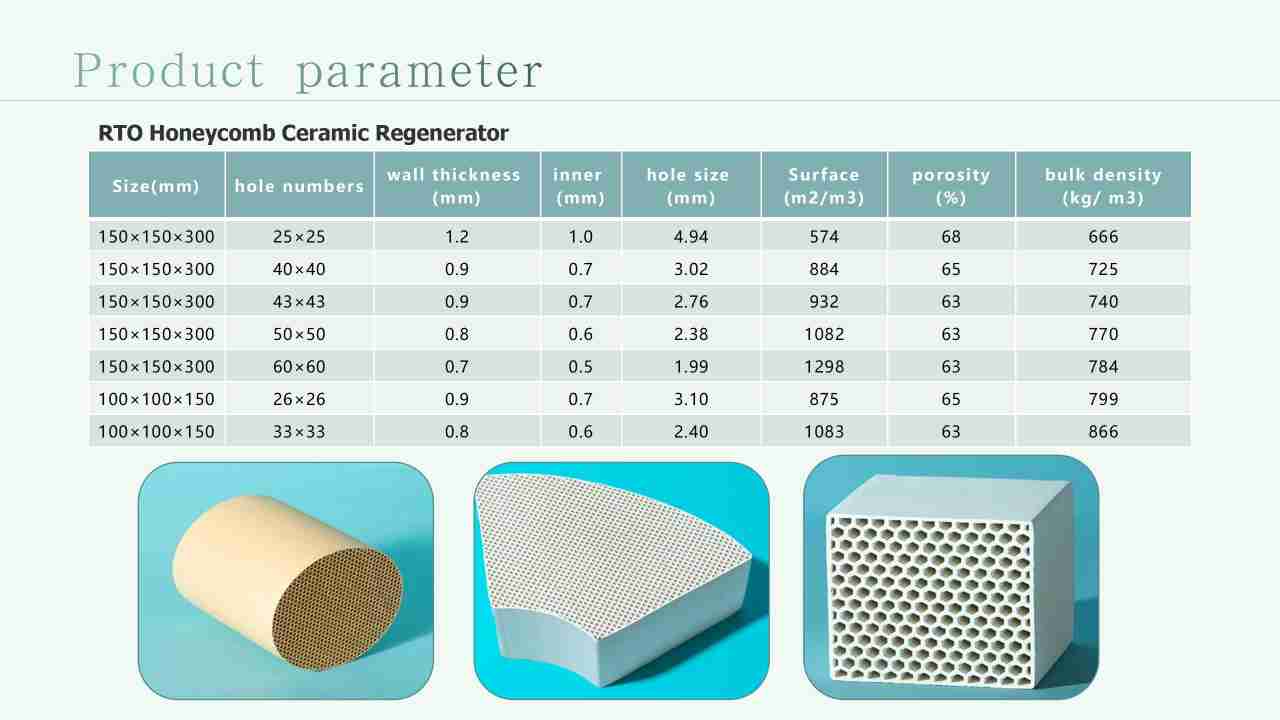
- Steel & Metallurgy Industry:
Used in regenerative heating furnaces for billet/bloom heating, soaking pits, and annealing furnaces. Recovers 85%+ waste heat from flue gas to preheat combustion air, reducing natural gas consumption by 30–50%. Example: BF-BOF steelmaking lines in ArcelorMittal and Baosteel. - Glass Manufacturing:
Installed in regenerative glass melting furnaces (e.g., float glass production) to preheat combustion air to 1200–1400°C, improving melting efficiency and reducing NOx emissions. Applied in Corning and Saint-Gobain facilities. - Ceramics & Refractory Production:
Regenerative shuttle kilns and tunnel kilns use mullite honeycombs to preheat gases for firing ceramic tiles, sanitary ware, and refractory bricks, cutting energy costs by 40%.
2. Environmental Protection Equipment
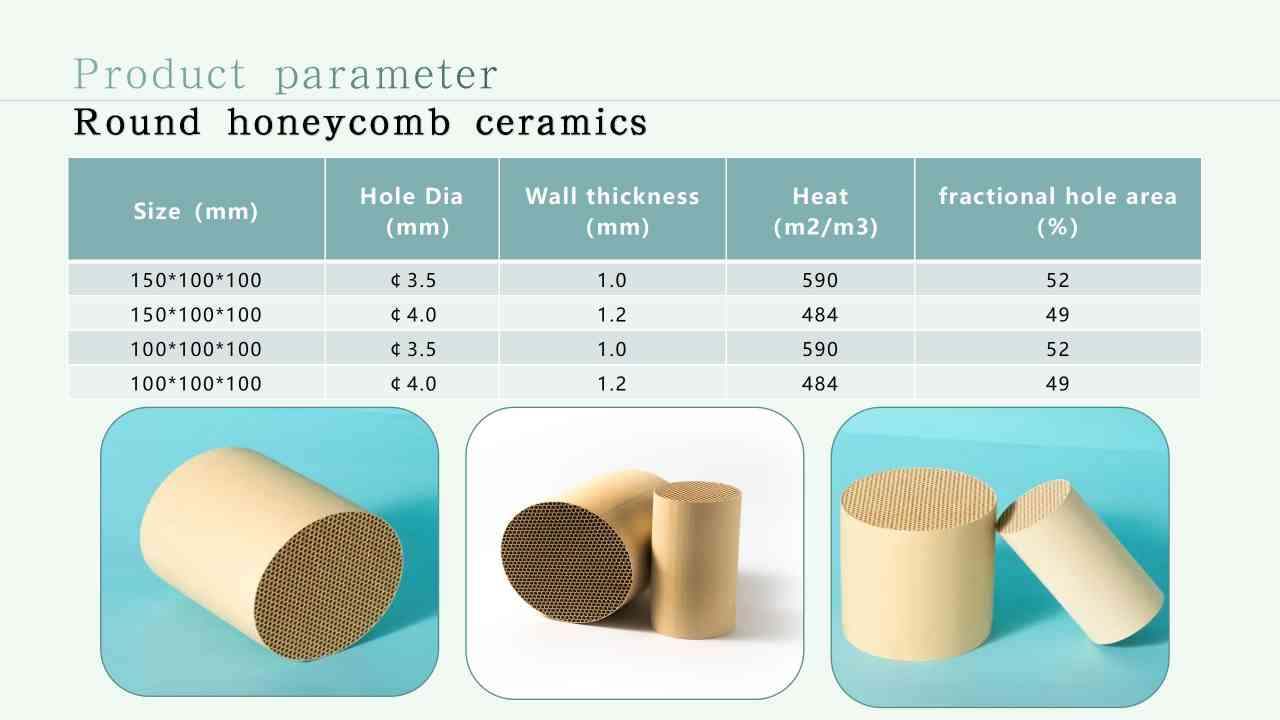
- Regenerative Thermal Oxidizers (RTOs):
Core component in RTO systems for treating VOCs (volatile organic compounds) in industries like petrochemicals, printing, and coating. Preheats inlet air to 700–1000°C, achieving 99%+ VOC destruction efficiency with <2% pressure drop. Used by Veolia and Johnson Matthey in waste gas treatment plants. - Sulfuric Acid & Chemical Plants:
Resists corrosion from SO₂/SO₃ in sulfuric acid production furnaces, recovering heat for steam generation. Installed in BASF and Sinopec facilities. - Municipal Waste Incinerators:
Absorbs heat from high-temperature flue gas (800–1100°C) to preheat combustion air, enhancing incineration efficiency and reducing dioxin formation.
3. Energy Conservation Systems
- Combined Heat and Power (CHP) Plants:
Regenerative burners with mullite honeycombs improve thermal efficiency of gas turbines, recovering waste heat for district heating. Deployed in cogeneration systems of E.ON and Enel. - Solar Thermal Power Plants:
Used as thermal energy storage media in concentrated solar power (CSP) systems, storing heat from parabolic troughs or power towers for off-peak electricity generation. Example: Noor III CSP plant in Morocco. - Industrial Waste Heat Recovery:
Recovers waste heat from cement kilns, lime kilns, and foundry furnaces (500–1200°C) to generate steam or preheat process fluids, achieving 20–30% energy savings.
4. Petrochemical and Chemical Processing
- Reforming Furnaces:
In hydrogen production via steam methane reforming (SMR), preheats process gases to 850–1000°C, improving reforming efficiency. Applied in refineries like ExxonMobil and Saudi Aramco. - Catalytic Cracking Units:
Regenerators in fluid catalytic cracking (FCC) units recover heat from spent catalyst regeneration, preheating fresh feedstock. Used in Sinopec and Reliance Industries refineries. - Pyrolysis Reactors:
Supports high-temperature pyrolysis of plastics/wastes in regenerative reactors, enabling energy-efficient conversion to fuels or chemicals.
5. Aerospace and High-Temperature Testing
- Jet Engine Test Facilities:
Absorbs and dissipates heat from afterburner tests (1500–1800°C), protecting test chamber structures. Used by Rolls-Royce and Pratt & Whitney. - Hypersonic Vehicle Testing:
Thermal protection systems in wind tunnels use mullite honeycombs to withstand shock heating from Mach 5+ airflow, simulating re-entry conditions.
6. Specialized Heating Equipment
- Radiant Tube Furnaces:
In automotive heat treatment (e.g., carburizing, nitriding), regenerative radiant tubes with mullite honeycombs ensure uniform heating at 900–1100°C, improving part quality. Installed in BMW and Toyota production lines. - Crucible Furnaces for Non-Ferrous Metals:
Preheats combustion air for melting aluminum, copper, and zinc alloys, reducing melt times by 25% and energy use by 35%.
7. Building Energy Conservation
- High-Efficiency Heating Systems:
Regenerative heat exchangers in commercial boilers (e.g., for hospitals, data centers) recover heat from exhaust gases, boosting thermal efficiency to >95%. - Industrial Dryers:
Textile, paper, and food industry dryers use mullite honeycombs to preheat drying air, reducing natural gas consumption for processes like paper calendering or food dehydration.
Application Case Examples
| Industry | Application Scenario | Customer/Project Example |
|---|---|---|
| Steel | Reheating furnace for automotive steel | Baosteel Zhanjiang Steel Plant (China) |
| Environmental | RTO for pharmaceutical VOC treatment | Merck KGaA (Germany) |
| Energy | CSP thermal storage system | Ivanpah Solar Power Facility (USA) |
| Petrochemical | Hydrogen production reformer | SABIC Petrochemicals (Saudi Arabia) |
| Aerospace | Jet engine afterburner test facility | NASA Glenn Research Center (USA) |
Mullite honeycomb ceramic regenerators excel in scenarios requiring high-temperature stability, efficient heat recovery, and resistance to thermal/chemical stress. Their modular design and customizable cell structures further enable adaptation to diverse process conditions, driving energy savings and emission reduction across industries.https://www.chempackings.com/honeycomb-ceramic/