
Honeycomb Ceramic Regenerator: Advantages and Disadvantages
Ceramic Regenerator Pros and Cons
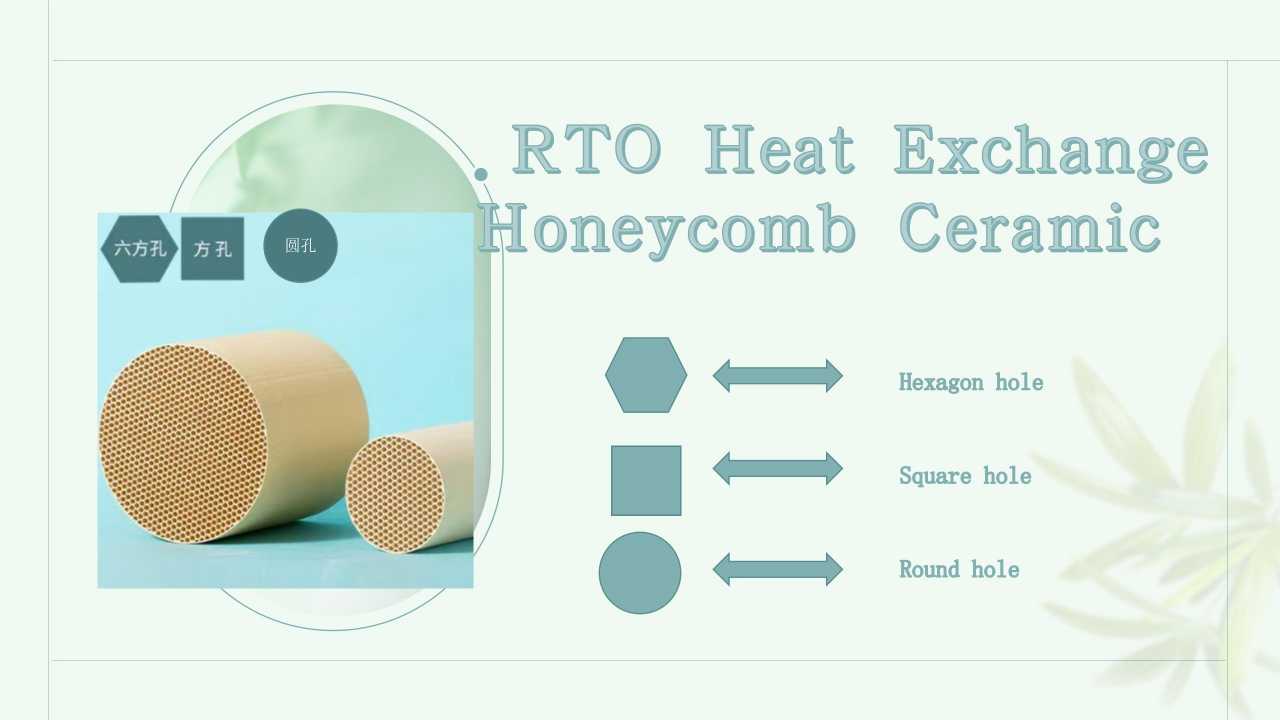
- Exceptional Thermal Efficiency
- Recovers over 90% of waste heat, significantly reducing fuel consumption (e.g., 30–50% energy savings in furnaces).
- Preheats combustion air/gas to high temperatures (often >1,000°C), enhancing process efficiency and reducing emissions.
- High Surface Area & Compact Design
- Honeycomb structure (hexagonal/square cells) provides up to 1,500 m²/m³ specific surface area, maximizing heat transfer in a small volume.
- Occupies 50–70% less space than traditional tubular heat exchangers, ideal for space-constrained setups.
- Superior Heat Resistance & Durability
- Made from refractory ceramics (cordierite, alumina, SiC) that withstand 1,200–1,700°C and cyclic thermal shocks.
- Resists corrosion from acidic flue gases (SOx, NOx) and mechanical wear, ensuring 5–10+ years of service life.
- Versatility in Applications
- Suits industrial furnaces, thermal oxidizers, waste incinerators, and renewable energy systems (e.g., CSP).
- Adaptable to various gas flows and temperatures, with customizable cell density (100–600 cpsi) and material compositions.
- Environmental Benefits
- Cuts CO₂ emissions by reducing fossil fuel use and supports low-carbon manufacturing.
- Enables efficient treatment of VOCs and hazardous gases in thermal oxidation processes.
Notable Disadvantages-Ceramic Regenerator Pros and Cons
- Sensitivity to Clogging & Fouling
- Small cell channels (1–10 mm) are prone to blockage by particulate matter (e.g., dust, slag) in flue gases.
- Requires pre-filtration or regular cleaning (mechanical/thermal methods), adding maintenance costs.
- Brittleness & Mechanical Fragility
- Ceramic materials are susceptible to cracking under sudden impact or improper installation.
- Thermal shock (e.g., rapid temperature changes >100°C/min) can cause structural damage, limiting operational flexibility.
- High Initial Investment
- Manufacturing via extrusion and high-temperature sintering incurs higher costs than metal heat exchangers.
- Customized designs for specific applications (e.g., non-standard cell sizes) further increase expenses.
- Limited Heat Transfer at Low Temperatures
- Efficiency drops in processes below 300°C due to reduced thermal conductivity of ceramics (1–3 W/(m·K)).
- Less suitable for low-temperature heat recovery compared to metal-based alternatives.
- Weight & Installation Challenges
- Denser than metals (e.g., cordierite: ~2.6 g/cm³), requiring stronger structural supports in large-scale systems.
- Complex installation (e.g., pairing multiple regenerators for cyclic operation) may demand specialized engineering.
Comparison Table: Advantages vs. Disadvantages
| Aspect | Advantage | Disadvantage |
|---|---|---|
| Heat Recovery | Recovers >90% of waste heat, ideal for high-temperature processes. | Less effective below 300°C; low thermal conductivity at low temps. |
| Durability | Resists high temps, corrosion, and chemical degradation. | Brittle; susceptible to thermal shock and mechanical damage. |
| Maintenance | Long service life with minimal upkeep if gases are clean. | Prone to fouling; requires regular cleaning for dirty gas streams. |
| Cost | Reduces long-term energy costs significantly. | High initial purchase and customization costs. |
| Space Requirement | Compact design saves floor space. | Heavier than metal exchangers; needs robust support structures. |
Mitigation Strategies for Disadvantages
- Clogging: Install pre-filters or use larger cell sizes (e.g., 100–200 cpsi) for dusty environments.
- Thermal Shock: Implement gradual temperature ramping (≤50°C/min) and use thermal shock-resistant materials (e.g., SiC).
- Cost: Opt for standard cordierite regenerators instead of specialized alloys, or consider modular designs for phased installations.
Conclusion
Honeycomb ceramic regenerators excel in high-temperature, energy-intensive applications where heat efficiency and durability are critical. While their brittleness, clogging sensitivity, and upfront costs pose challenges, these can be mitigated through proper design, maintenance, and material selection. For industries prioritizing long-term energy savings and sustainability, their advantages often outweigh the drawbacks.