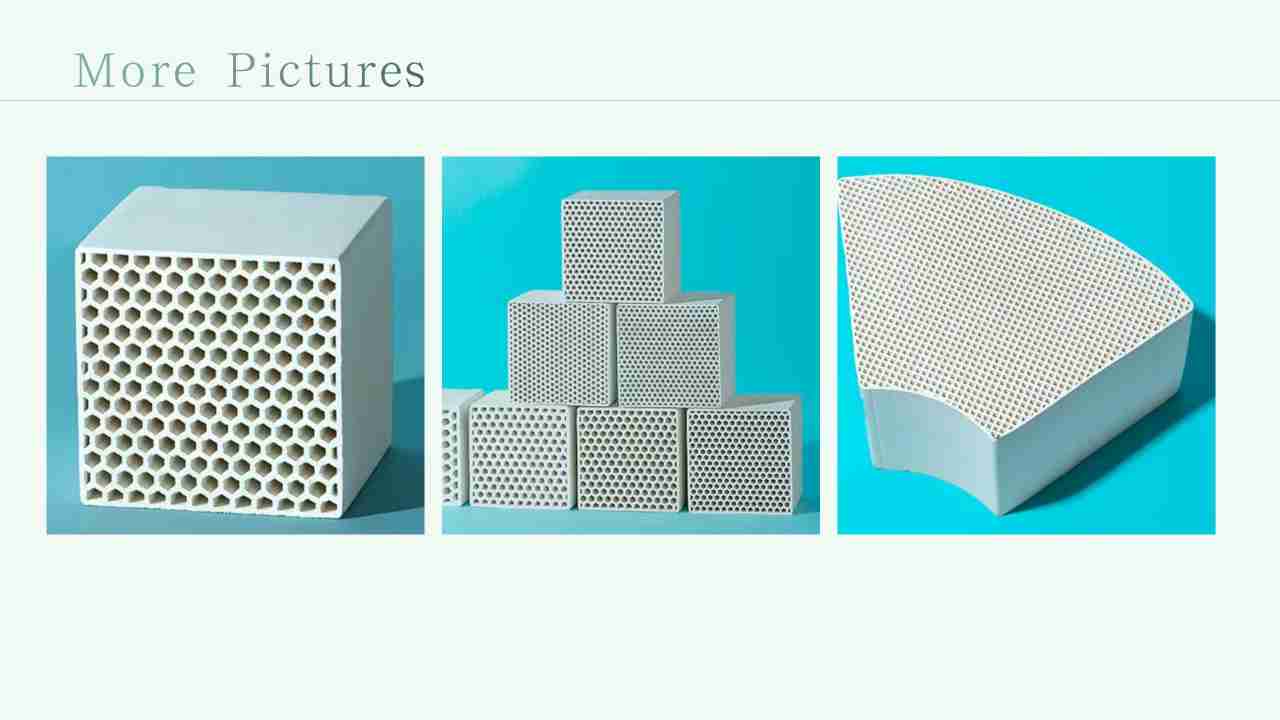
Recycled honeycomb ceramic regenerators
Yes, honeycomb ceramic regenerators can be recycled, though their recyclability depends on factors like their material composition, degree of damage. And the specific application they were used in. Below is a detailed breakdown of their recyclability, common recycling methods, and limitations:https://www.rtoceramic.com/product-category/all-products/rto-honeycomb-ceramic/
1. Key Factors Affecting Recyclability
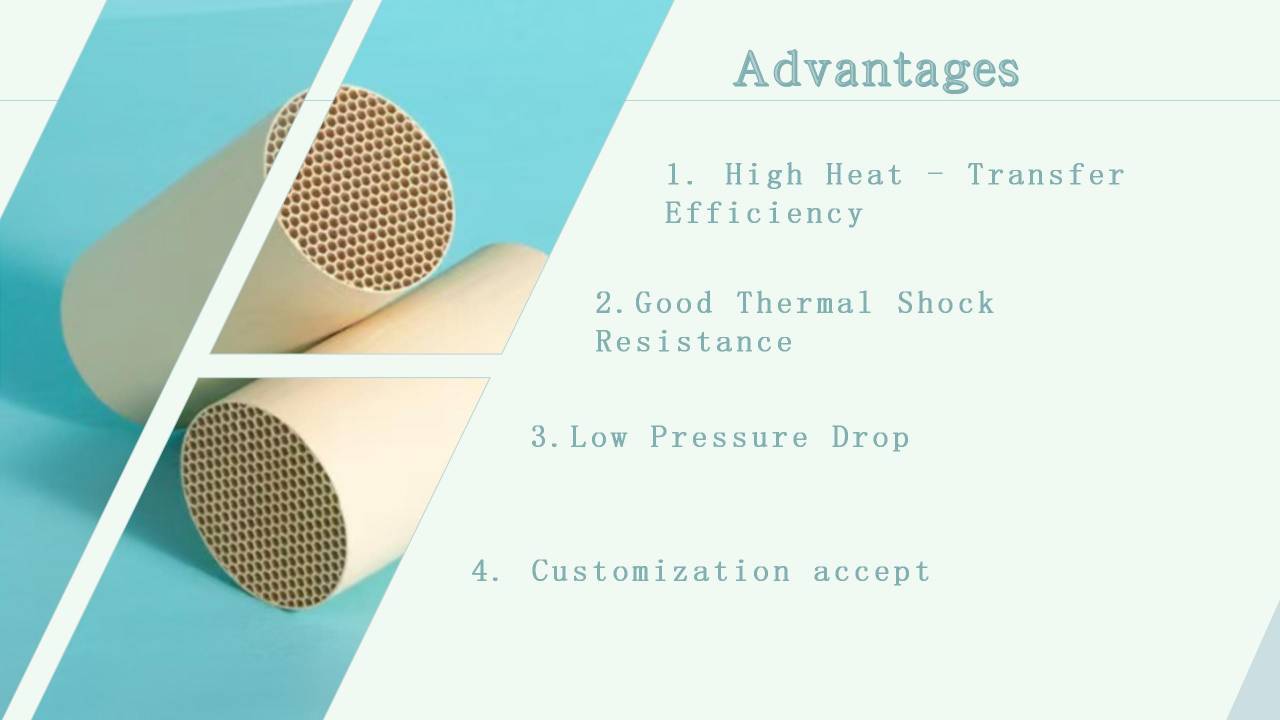
- Material type: Most honeycomb ceramic regenerators are made from chemically stable materials like cordierite, mullite, silicon carbide (SiC), or alumina. These materials are inert and retain structural integrity even after long-term use, making them recyclable in principle.
- Condition after use:
- Regenerators that are only slightly worn (e.g., minor surface erosion) or have intact channels are easier to recycle.
- Those with severe cracking, channel blockage (from heavy dust or corrosion). Or structural collapse are harder to reuse and may only be suitable for material recovery.
2. Common Recycling Methods
A. Direct Reuse (for Slightly Worn Units)
If the regenerators remain structurally intact (no cracks, minimal channel blockage) and their heat storage/transfer performance is still acceptable, they can be reused after simple processing:
- Cleaning: Remove surface dust, ash, or loose debris using compressed air, water washing, or ultrasonic cleaning.
- Sorting and testing: Check for hidden cracks (via visual inspection or pressure testing) and measure heat transfer efficiency. Qualified units are reinstalled in less demanding applications (e.g., from high-temperature industrial furnaces to low-temperature drying equipment).
B. Reprocessing into New Ceramic Products
Severely worn or damaged regenerators (e.g., cracked but with intact material) can be crushed and reused as raw material for new ceramics:
- Crushing and grinding: Break the regenerators into fine particles or powder.
- Reformulation: Mix the recycled ceramic powder with new raw materials (to adjust properties like strength or heat resistance) and reprocess them into new honeycomb regenerators, ceramic bricks, or low-demand ceramic parts (e.g., refractory linings).
C. Use as Refractory or Fillers
If the recycled ceramic powder does not meet the standards for new regenerators, it can still be used in less critical applications:
- Refractory aggregates: Mixed into refractory concretes or mortars for industrial kiln linings, where high heat resistance is needed but strict structural precision (like honeycomb channels) is not required.
- Fillers: Added to lightweight building materials (e.g., insulation blocks) to enhance fire resistance and durability.
3. Limitations and Challenges
A. Economic Viability
- Low value of recycled materials: Ceramic recycling requires energy-intensive steps (crushing, cleaning, reprocessing), which may not be cost-effective unless there is a large volume of waste regenerators or local demand for recycled ceramic materials.
- Transportation costs: Honeycomb ceramics are heavy, so transporting large quantities of waste units to recycling facilities may offset the economic benefits.
B. Contamination Issues
- If the regenerators were used in environments with corrosive gases (e.g., sulfur oxides, chlorine) or toxic substances (e.g., heavy metals), their surfaces or internal pores may retain contaminants. This requires thorough cleaning or testing to avoid contaminating new products.
C. Technical Constraints
- Performance degradation: Recycled ceramic powder may have inconsistent particle sizes or residual impurities, which can affect the strength or heat resistance of new products. This limits their use in high-performance applications (e.g., ultra-high-temperature furnaces).
4. Environmental and Practical Significance
Recycling honeycomb ceramic regenerators reduces waste sent to landfills and lowers the demand for virgin raw materials (e.g., bauxite, silica), which are energy-intensive to extract and process. While it is not yet widely standardized, it is increasingly adopted in industries with large volumes of waste ceramics (e.g., metallurgy, petrochemicals) to improve resource efficiency.
Conclusion
Honeycomb ceramic regenerators are recyclable in most cases, with methods ranging from direct reuse (for lightly worn units) to material reprocessing (for damaged ones). However, their recyclability is constrained by economic factors, contamination risks, and technical limits. With advancements in recycling technology and growing focus on circular economies, their recycling potential is likely to expand.https://www.chempackings.com/honeycomb-ceramic/