
1. Identification of the substance
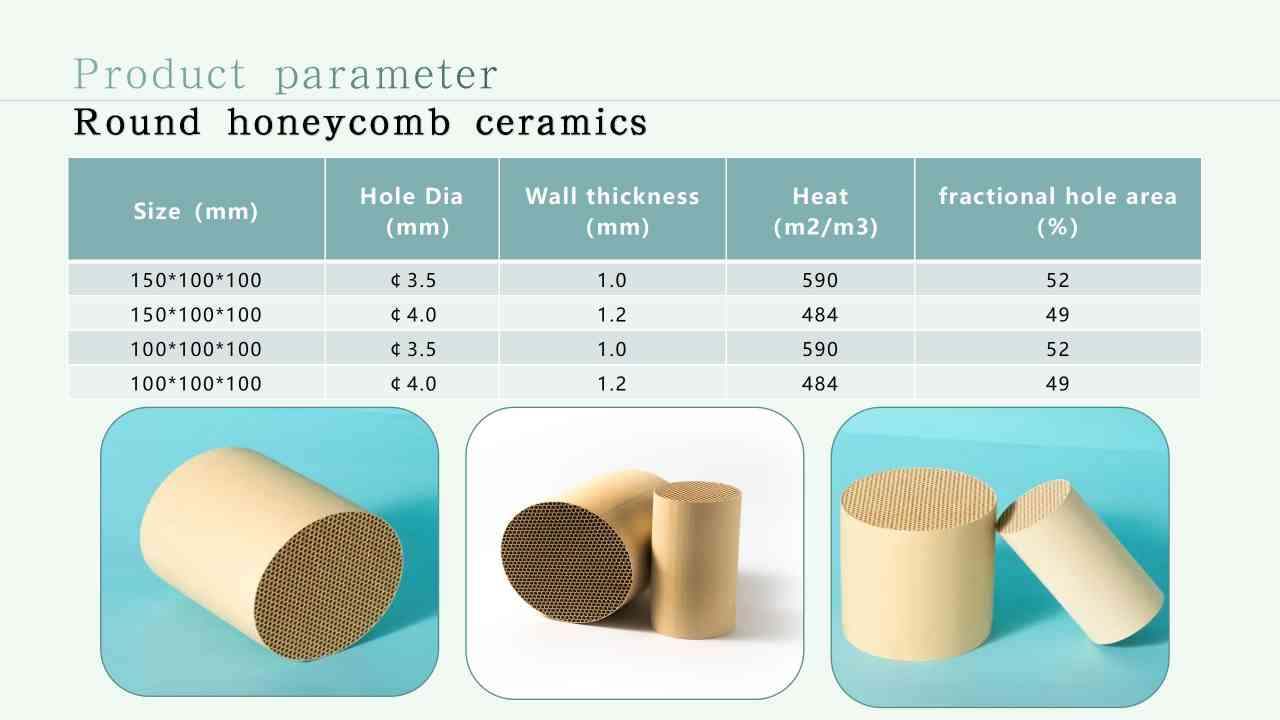
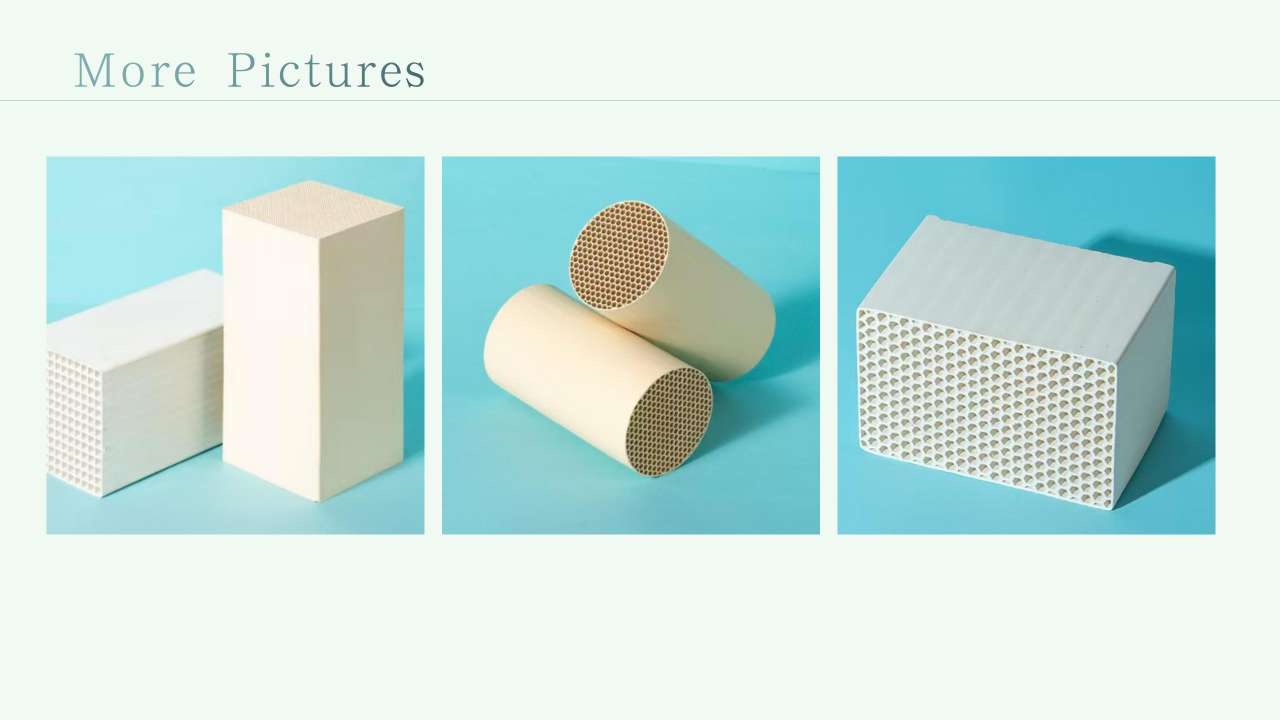
- Product Name: Honeycomb Ceramic Regenerator
- Other Names: RTO Ceramic
- MSDS Honeycomb Ceramic
1.2 Relevant identified uses of the substance or mixture and uses advised against
Identified Uses:
- Used as heat storage media in regenerative thermal oxidation (RTO) systems to recover thermal energy and destroy hazardous air pollutants (HAPs), volatile organic compounds (VOCs), and odorous emissions.Applied in thermal air pollution abatement systems, thermal regenerators for process gases, heat storage media for decentralized regenerative housing ventilation systems (RHV), and heat storage applications in renewable energy generation systems.
- Utilized in various industries such as automotive paint, chemical industry, electronic & electric manufacturing industry, contact combustion system, etc.
- Uses Advised Against: Do not use for any medical or food – related applications.
1.3 Details of the supplier of the safety data sheet-Honeycomb Ceramic Regenerator
Supplier Name: Pingxiang Zhongci Environmental Ceramics Material Co.,Ltd.
Address: No.12 Wugongshan Avenue, Pingxiang Economic and Technological Development Zone, Jiangxi Province
Phone Number: 0799-6335986
E – mail:sales01@chempacking.cn
1.4 Emergency telephone number
- Emergency Contact Number: 0799-6335986
2. Hazard(s) identification-RTO Ceramic
2.1 Classification of the substance or mixture
Based on available information, the honeycomb ceramic regenerator is not classified as a hazardous substance according to major classification systems such as GHS (Globally Harmonized System of Classification and Labelling of Chemicals).
2.2 Label elements-Honeycomb Ceramic Regenerator
- Signal Word: Not applicable (since it is not a hazardous substance)
- Hazard Statements: None
- Precautionary Statements:
- P264: Wash hands thoroughly after handling.
- P270: Do not eat, drink or smoke when using this product.
- P301 + P312: IF SWALLOWED: Call a POISON CENTER/doctor/… if you feel unwell.
- P330: Rinse mouth.
2.3 Other hazards-RTO Ceramic
- Dust Hazard: In case of breakage or during manufacturing processes, fine ceramic dust may be generated. Prolonged inhalation of ceramic dust may cause respiratory problems, similar to the risks associated with silica dust exposure, such as silicosis over long – term and high – level exposures.
3. Composition/information on ingredients
3.1 Substances
Cordierite – based Honeycomb Ceramic:
- Chemical Composition: Typically contains MgO (7 – 8%), SiO₂ (approx. 46 – 48%), Al₂O₃ (approx. 34 – 37%). Trace amounts of other elements may be present depending on the manufacturing process and raw materials.
Mullite – based Honeycomb Ceramic:
- Chemical Composition: Al₂O₃ (higher percentage, around 60 – 70% in some cases), SiO₂ (complementary percentage to balance the composition). Small amounts of other oxides like TiO₂ may also be present.
- CAS Number: Mullite (1302 – 93 – 8 for the general compound). Again, the specific product may have a different CAS number due to the complex nature of the ceramic.
Alumina – based Honeycomb Ceramic:
- Chemical Composition: High Al₂O₃ content, usually 80 – 99%, with minor amounts of SiO₂, CaO, MgO, etc., depending on the grade and application requirements.
- CAS Number: Alumina (1344 – 28 – 1).
4. First – aid measures
4.1 Description of first – aid measures
4.2 Most important symptoms/effects, acute and delayed
- Acute Symptoms:
- Inhalation of dust may cause immediate coughing, shortness of breath, and irritation of the respiratory tract.
- Skin contact with sharp ceramic fragments can result in cuts, abrasions, and minor bleeding.
- Eye contact can lead to eye irritation, redness, pain, and possible damage to the cornea.
- Ingestion may cause discomfort in the digestive tract, such as nausea, abdominal pain.
- Delayed Effects: Prolonged exposure to ceramic dust may lead to chronic respiratory diseases like silicosis. Cuts and abrasions from ceramic fragments, if not properly treated, may become infected, leading to delayed wound healing and potential scarring.
4.3 Indication of any immediate medical attention and special treatment needed
- Immediate medical attention is required for eye contact, deep cuts from ceramic fragments, and ingestion cases. For respiratory problems caused by dust inhalation, medical professionals may perform lung function tests and provide appropriate respiratory support if necessary. In case of infection from skin wounds, antibiotics may be prescribed.
5. Fire – fighting measures
5.1 Extinguishing media
- Suitable Extinguishing Media: Use dry chemical powder, carbon dioxide (CO₂), or foam extinguishers for any associated fires in the RTO system or in the vicinity where the honeycomb ceramic is installed. Water can be used if the fire is not associated with flammable substances in the RTO process, but caution should be exercised as water may cause thermal shock to the hot ceramic material and potentially damage the equipment.
- Unsuitable Extinguishing Media: Avoid using water if the fire involves flammable organic substances in the RTO system, as water may spread the fire or cause splashing of hot and flammable materials.
5.2 Special hazards arising from the substance or mixture
- High – Temperature Hazard: During a fire in the RTO system, the honeycomb ceramic can reach extremely high temperatures. If water is applied inappropriately to a hot ceramic, it can cause the ceramic to crack or shatter due to thermal shock, which may pose a physical hazard to firefighters.
- Combustion Products: If the RTO system is treating waste gases containing certain substances, such as silicon – containing organic compounds, the combustion products may form silica – based deposits on the ceramic. These deposits can be released into the air during a fire, and inhalation of fine silica particles can be harmful to human health.
5.3 Advice for firefighters
- Firefighters should wear appropriate personal protective equipment, including heat – resistant suits, helmets, and self – contained breathing apparatus (SCBA). They should approach the fire from a safe distance and be aware of the potential for ceramic shattering due to thermal shock. If possible, shut off the flow of combustible gases or materials to the RTO system before attempting to extinguish the fire.
6. Accidental release measures
6.1 Personal precautions, protective equipment and emergency procedures
- For Non – emergency Personnel: Evacuate the area immediately if there is a large – scale release or breakage of the honeycomb ceramic. Do not enter the area without proper personal protective equipment.
- For Emergency Responders: Wear dust – proof respirators (N95 or higher – level particulate masks), safety goggles, and protective gloves. Avoid direct contact with the broken ceramic and dust.
6.2 Environmental precautions
- If the release occurs outdoors, prevent the spread of ceramic dust by wetting down the area gently with water (if it is safe to do so). Avoid allowing the dust to be carried by wind into water bodies, as it may have a minimal impact on aquatic life due to its inert nature but can still cause turbidity.
- If the release occurs indoors, ventilate the area well to remove dust. Use HEPA – filtered vacuum cleaners to clean up the dust to prevent its re – suspension in the air.
6.3 Methods and materials for containment and cleaning up
- Containment: Use plastic sheets or barriers to contain the area where the ceramic has been released or broken. Sweep up large fragments of the ceramic carefully using a broom and dustpan.
- Cleaning Up: Vacuum up the remaining dust using a HEPA – filtered vacuum cleaner. Dispose of the collected ceramic fragments and dust in appropriate waste containers labeled for non – hazardous solid waste. If the ceramic has been in contact with hazardous substances in the RTO system, follow the proper hazardous waste disposal procedures.
7. Handling and storage
7.1 Precautions for safe handling-MSDS Honeycomb Ceramic
- Handling: When handling the honeycomb ceramic, use proper lifting equipment for large – sized pieces to avoid back injuries. Wear safety gloves to prevent cuts from sharp edges. Avoid dropping or striking the ceramic, as it is brittle and can break easily. When installing or removing the ceramic from the RTO system, ensure that the system is cooled down to a safe temperature to avoid burns.
- Dust Control: Minimize dust generation during handling. If cutting or grinding the ceramic is necessary, use dust – collection equipment or wet – cutting methods to reduce the amount of dust in the air. Provide good ventilation in the work area to disperse any dust that may be generated.
7.2 Conditions for safe storage, including any incompatibilities
- Storage Conditions: Store the honeycomb ceramic in a dry, well – ventilated area. Protect it from extreme temperatures, humidity, and direct sunlight. Stack the ceramic pieces carefully to prevent toppling and breakage. Keep it away from areas where there may be exposure to corrosive substances, as some chemicals may react with the ceramic over time and affect its performance.
- Incompatibilities: Avoid storing the honeycomb ceramic near strong acids or alkalis. For example, concentrated sulfuric acid or sodium hydroxide can react with the ceramic components, especially those containing metal oxides like alumina or magnesia in cordierite.
8. Exposure controls/personal protection
8.1 Control parameters
- Exposure Limits: There are no specific exposure limits established for honeycomb ceramic dust. However, general dust exposure limits apply. For example, in the United States, the Occupational Safety and Health Administration (OSHA) has a permissible exposure limit (PEL) for total particulate matter of 15 mg/m³ (8 – hour time – weighted average) and 5 mg/m³ for respirable particulate matter.
- Biological Limit Values: N/A
8.2 Appropriate engineering controls-MSDS Honeycomb Ceramic
- Ventilation: Provide local exhaust ventilation in areas where ceramic dust may be generated, such as during installation, removal, or maintenance of the honeycomb ceramic in the RTO system. Ensure that the ventilation system has a high – efficiency particulate air (HEPA) filter to capture and remove dust particles from the air.
- Dust – Suppression Equipment: Use water – misting systems or dust – collection hoods during operations that are likely to generate significant amounts of dust, such as cutting or grinding the ceramic.
8.3 Individual protection measures, such as personal protective equipment (PPE)
9. Physical and chemical properties-MSDS Honeycomb Ceramic
9.1 Information on basic physical and chemical properties
9.2 Other information-MSDS Honeycomb Ceramic
- Specific Heat Capacity: Varies with the material. For cordierite – based honeycomb ceramics, it is around 942 J/kg·K, and for alumina – based ceramics, it can be around 992 J/kg·K (values are for reference and may vary depending on the exact composition).
- Thermal Conductivity: Also depends on the material. Cordierite – based ceramics have a thermal conductivity in the range of 1.2 – 1.8 W/m·K, while alumina – based ones can have a higher thermal conductivity, around 2.79 W/m·K.
10. Stability and reactivity
10.1 Reactivity
The honeycomb ceramic is generally stable under normal conditions. However, at extremely high temperatures and in the presence of certain reactive gases in the RTO system, it may undergo slow chemical reactions. For example, in the presence of high – temperature sulfur – containing gases, some ceramic components may react to form metal sulfides over time, which can affect the performance of the ceramic.
10.2 Chemical stability
It is chemically stable in most environments. It is resistant to common acids and alkalis, but concentrated and strong acids or alkalis can attack the ceramic over time, especially at elevated temperatures. For instance, hydrofluoric acid can react with the silica and alumina components in the ceramic.
10.3 Possibility of hazardous reactions-MSDS Honeycomb Ceramic
Under normal operating conditions in the RTO system, no hazardous reactions are expected. But if the ceramic is exposed to extreme conditions, such as a combination of very high temperatures and reactive chemicals that are not part of the normal RTO process, there could be a risk of reactions that may lead to the degradation of the ceramic structure and the release of potentially harmful substances.https://www.chempackings.com/ceramic-foam-filter/alumina-ceramic-foam-filter.html
10.4 Conditions to avoid
Avoid exposing the honeycomb ceramic to extreme temperatures beyond its rated maximum operating temperature. Also, avoid contact with highly reactive chemicals, especially strong acids, alkalis, and some reducing or oxidizing agents.
10.5 Incompatible materials
- Strong acids like hydrofluoric acid, concentrated sulfuric acid, and concentrated nitric acid.
- Strong alkalis such as sodium hydroxide and potassium hydroxide.
- Some highly reactive metals or metal salts that can react with the ceramic components at high temperatures.
10.6 Hazardous decomposition products-MSDS Honeycomb Ceramic
If the ceramic is subjected to extremely high temperatures or reacts with certain chemicals, decomposition products may include metal oxides (such as alumina, silica, magnesia), which are generally inert but can be harmful if inhaled as fine dust particles. In the case of ceramics containing trace amounts of other elements, such as heavy metals, their release during decomposition may also pose environmental and health risks.
11. Toxicological information
11.1 Information on toxicological effects
- Acute Toxicity: There is no evidence of acute toxicity associated with the honeycomb ceramic itself. However, if dust is inhaled in large quantities, it can cause irritation to the respiratory tract, similar to the effects of inhaling other inert dusts.
- Skin Corrosion/Irritation: The ceramic is not known to cause skin corrosion. But sharp ceramic fragments can cause physical abrasions and cuts, which may become secondarily infected if not properly treated.
- Serious Eye Damage/Eye Irritation: Direct contact of ceramic dust or fragments with the eyes can cause eye irritation and potential damage to the cornea.
- **Respiratory or Skin Sensit
MSDS Honeycomb Ceramic