Introduction to SiC Substrate

Table of Contents

https://www.rtoceramic.com/

Product characteristics SiC Substrate
 
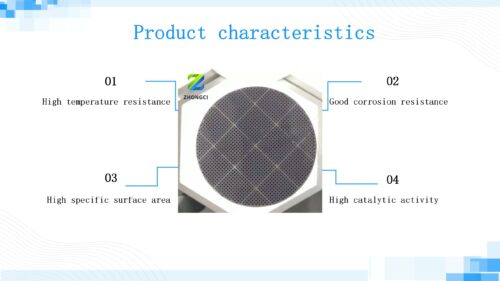
● Good thermal shock performance;
 
● Large filter surface area, uniform distribution of micropores, high porosity;
 
● Low back pressure;
 
● Good durability of the product;
 
● The filter effect of carbon smoke particles is high, generally more than 90%;
 
● Suitable for a variety of regeneration methods.

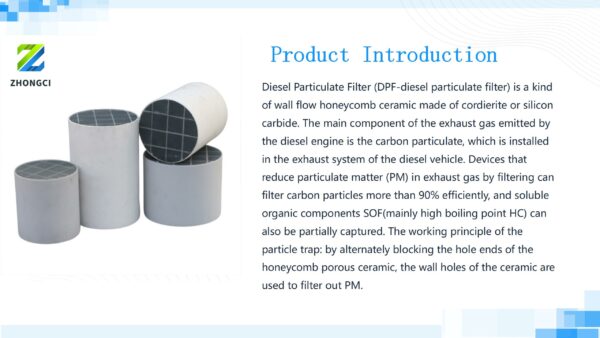
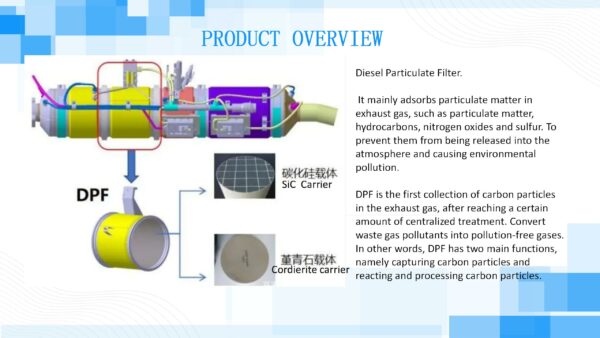
Silicon Carbide(SiC)honeycomb ceramics are a type of porous ceramic material known for their unique properties and applications.Here’s an introduction to SiC honeycomb ceramics:

  • Material Properties:SiC honeycomb ceramics are recognized for their thermal shock resistance,high-temperature resistance,and high thermal conductivity.
  • Structure:The honeycomb structure provides a large surface area,which is beneficial for applications like catalyst supports and filters.
  • Manufacturing Process:SiC honeycomb ceramics can be produced through various methods,including pressureless sintering technology. One specific process involves the use of extrusion molding to construct the honeycomb structure with a specific cell density and wall thickness.
  • Applications: Due to their unique structure and properties,SiC honeycomb ceramics have potential applications in filtration,separation,catalysis,and other fields.
  • Mechanical Properties: Despite their high porosity,efforts have been made to enhance the mechanical properties of SiC honeycomb ceramics.
  • Advanced Manufacturing: Additive manufacturing techniques,such as direct ink writing(DIW),have been used to create SiC honeycomb ceramics with complex shapes.This method allows for the fabrication of three-dimensional cellular structures with tailored porosity.The use of ultraviolet-curing and suitable precursors enables the creation of uniform,crack-free,dense SiOC cellular ceramic structures.
  • High Porosity and Strength:Unique porous SiC ceramics with a honeycomb structure have been fabricated with a total porosity of around 70%and a bulk density of 0.93mg/m3.These ceramics exhibit bending and compressive strengths of 26MPa and 105MPa,respectively.

In summary,SiC honeycomb ceramics are high-performance materials with a range of applications due to their excellent thermal and mechanical properties,as well as their unique honeycomb structure.Advances in manufacturing techniques are further expanding their potential uses and improving their performance characteristics.

What is a honeycomb ceramic regenerator and what is its function?

Honeycomb ceramic regenerator is the key and core component of regenerative high-temperature combustion technology (HTAC technology). It has been widely used in various pusher-type heating furnaces, walking-type heating furnaces, heat treatment furnaces, forging furnaces, melting furnaces, ladle/tundish roasters, soaking furnaces, radiant tube burners, and hood-type furnaces in the metallurgical machinery industry. Furnace, blast furnace hot blast stove; various ceramic kilns, various glass kilns in the building materials industry; various tubular heating furnaces, cracking furnaces and other industrial furnaces in the petrochemical industry. Material of honeycomb ceramic regenerator: Regenerator material——mullite, cordierite, cordierite-mullite, corundum-mullite, high-aluminum and other materials honeycomb ceramic regenerator are resistant to With significant advantages such as high temperature, corrosion resistance, good thermal stability, high strength, large heat storage, and good thermal conductivity, the various indicators of the product can fully meet the use and operation requirements of industrial furnaces.

What is honeycomb ceramic regenerator – honeycomb ceramic regenerator hole pattern:

Thermal body hole type——Produces four hole types including square hole, hexagonal hole, round hole, and triangular hole.

Application of honeycomb ceramic regenerator: The principle of the regenerative incineration system (RTO) is to use ceramic regenerators to store the heat generated when organic waste gases are decomposed, and use the thermal energy stored in the ceramic regenerators to decompose untreated organic waste gases. , thereby achieving high thermal efficiency.

In view of the process requirements of the regenerative combustion deodorization oven (RTO), honeycomb ceramic products of various materials and sizes such as dense cordierite, loose cordierite, lithium porcelain, mullite, etc. are developed, which have large specific surface area and excellent exhaust resistance. Small, low thermal expansion and contraction coefficient, high bulk density, good thermal shock resistance and other characteristics.

This product is widely used in waste gas treatment equipment in the chemical industry, automotive paint, spray paint drying equipment, organic chemical industry, petrochemical industry, engraving printing, offset printing, food processing and other industries. For more specifications, please see the product page: Honeycomb Ceramic Regenerator

Share your Needs!

Share

Get Custom Quote

Have a question? Get in touch instantly using the form below.
Our customer support team would get back to you soon.

    Get Custom Quote