Introduction Far-infrared ceramic plates

Table of Contents

Far-infrared ceramic plates are specialized materials that emit far-infrared radiation — a type of electromagnetic wave with longer wavelengths than visible light and near-infrared rays. Manufacturers typically blend far-infrared-emitting minerals (such as tourmaline, zirconia, or alumina) into ceramic substrates and sinter them at high temperatures. This process enhances their ability to radiate far-infrared energy when heated or energized.https://www.rtoceramic.com/product/honeycomb-ceramic-heat-exchanger/
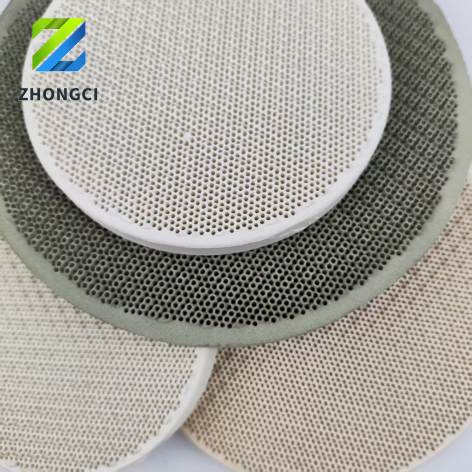
Their key feature is efficient emission of far-infrared rays. These rays can penetrate materials and interact with molecules, generating thermal effects through resonance. This property allows them to find wide use in various fields: in healthcare, they work in therapy devices to promote blood circulation and relieve muscle soreness; in industrial settings, they act as heating elements for drying, curing, or maintaining stable temperatures; in daily life, they appear in household appliances like far-infrared heaters, cooking utensils, or even textile products for warmth retention.

People value far-infrared ceramic plates for their durability, energy efficiency, and eco-friendliness. They convert energy into far-infrared radiation with minimal waste. Their versatility and beneficial thermal effects keep expanding their applications across industries focused on wellness, manufacturing, and sustainable energy https://www.chempackings.com/honeycomb-ceramic/solutions.
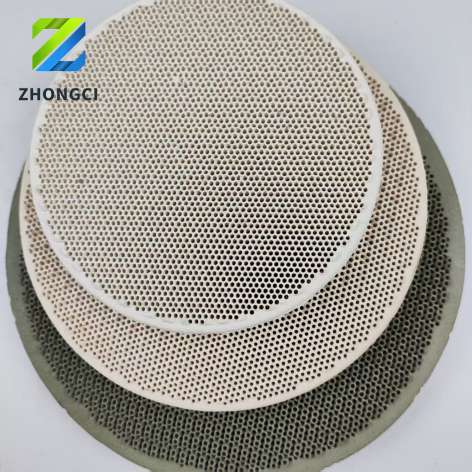
In daily life, innovation continues. Some cookware uses these plates to heat food from the inside out, reducing cooking time and retaining nutrients better than conventional stoves. In textiles, embedded ceramic particles (ground from these plates) absorb body heat and re-emit far-infrared rays, keeping wearers warm without bulk—useful in winter gear or therapeutic clothing.

Sustainability is another edge. They operate at lower temperatures than many heating elements, cutting energy use. Plus, their ceramic base resists corrosion and high heat, lasting years without degradation, unlike metal alternatives that rust or warp.

From medical devices to green manufacturing, far-infrared ceramic plates bridge material science and practical energy use, proving small molecular vibrations can drive big innovations.

What is a honeycomb ceramic regenerator and what is its function?

Honeycomb ceramic regenerator is the key and core component of regenerative high-temperature combustion technology (HTAC technology). It has been widely used in various pusher-type heating furnaces, walking-type heating furnaces, heat treatment furnaces, forging furnaces, melting furnaces, ladle/tundish roasters, soaking furnaces, radiant tube burners, and hood-type furnaces in the metallurgical machinery industry. Furnace, blast furnace hot blast stove; various ceramic kilns, various glass kilns in the building materials industry; various tubular heating furnaces, cracking furnaces and other industrial furnaces in the petrochemical industry. Material of honeycomb ceramic regenerator: Regenerator material——mullite, cordierite, cordierite-mullite, corundum-mullite, high-aluminum and other materials honeycomb ceramic regenerator are resistant to With significant advantages such as high temperature, corrosion resistance, good thermal stability, high strength, large heat storage, and good thermal conductivity, the various indicators of the product can fully meet the use and operation requirements of industrial furnaces.

What is honeycomb ceramic regenerator – honeycomb ceramic regenerator hole pattern:

Thermal body hole type——Produces four hole types including square hole, hexagonal hole, round hole, and triangular hole.

Application of honeycomb ceramic regenerator: The principle of the regenerative incineration system (RTO) is to use ceramic regenerators to store the heat generated when organic waste gases are decomposed, and use the thermal energy stored in the ceramic regenerators to decompose untreated organic waste gases. , thereby achieving high thermal efficiency.

In view of the process requirements of the regenerative combustion deodorization oven (RTO), honeycomb ceramic products of various materials and sizes such as dense cordierite, loose cordierite, lithium porcelain, mullite, etc. are developed, which have large specific surface area and excellent exhaust resistance. Small, low thermal expansion and contraction coefficient, high bulk density, good thermal shock resistance and other characteristics.

This product is widely used in waste gas treatment equipment in the chemical industry, automotive paint, spray paint drying equipment, organic chemical industry, petrochemical industry, engraving printing, offset printing, food processing and other industries. For more specifications, please see the product page: Honeycomb Ceramic Regenerator

Share your Needs!

Share

Get Custom Quote

Have a question? Get in touch instantly using the form below.
Our customer support team would get back to you soon.

    Get Custom Quote