
Alumina foam ceramics AL2O3, with their unique combination of high-temperature resistance, porosity, and chemical stability, are applied in various industries. Below is a detailed breakdown of their application fields:
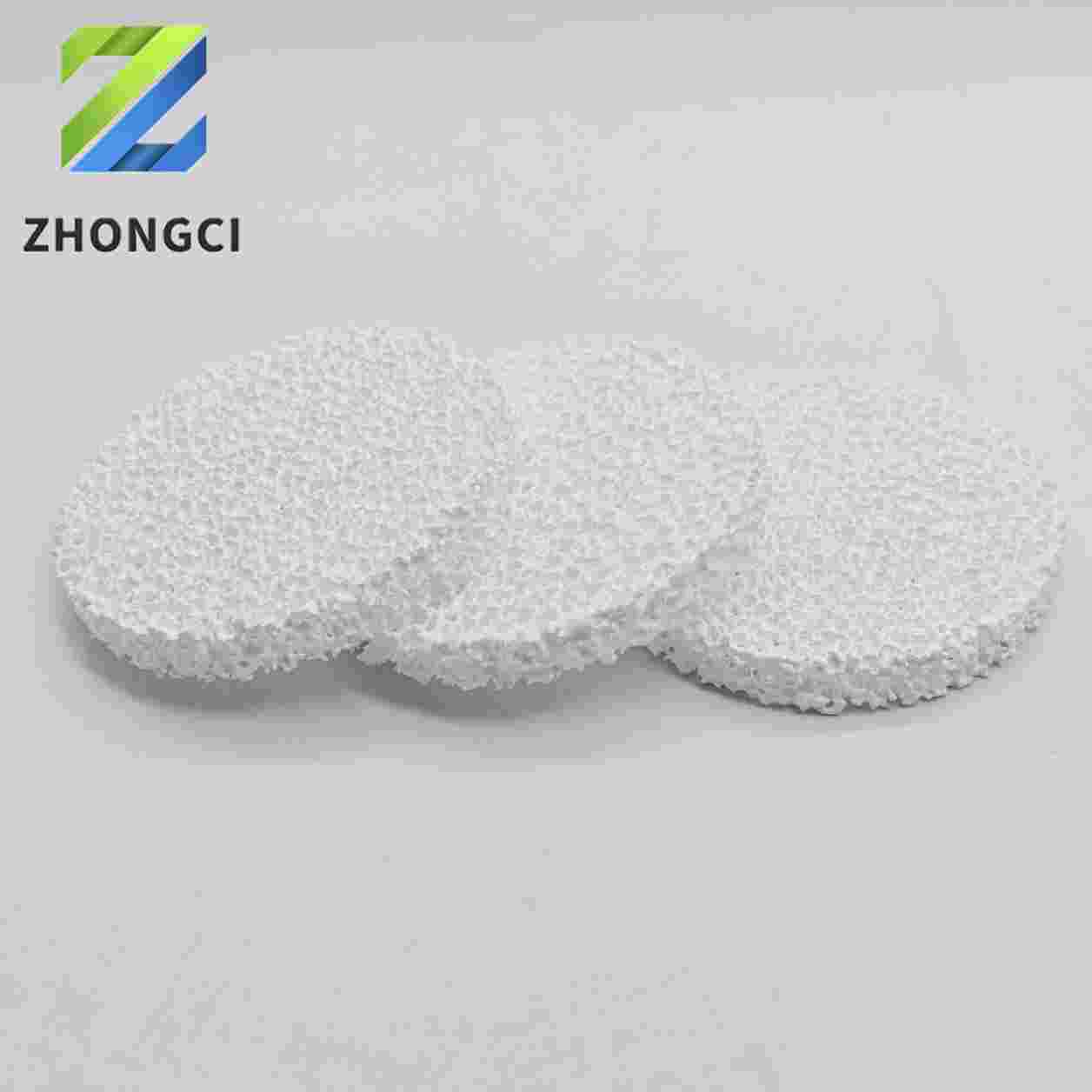
1. Metallurgical Industry
- Molten Metal Filtration
- Used as filters for aluminum, iron, and copper alloys to remove inclusions (e.g., oxides, slag particles), improving casting quality.
- Example: Ceramic foam filters (CFF) in aluminum foundries to achieve near-contamination-free casting.
- Furnace Components
- Lining materials for high-temperature furnaces (e.g., blast furnaces, induction furnaces) due to their heat resistance and thermal insulation.
2. Energy and Thermal Management
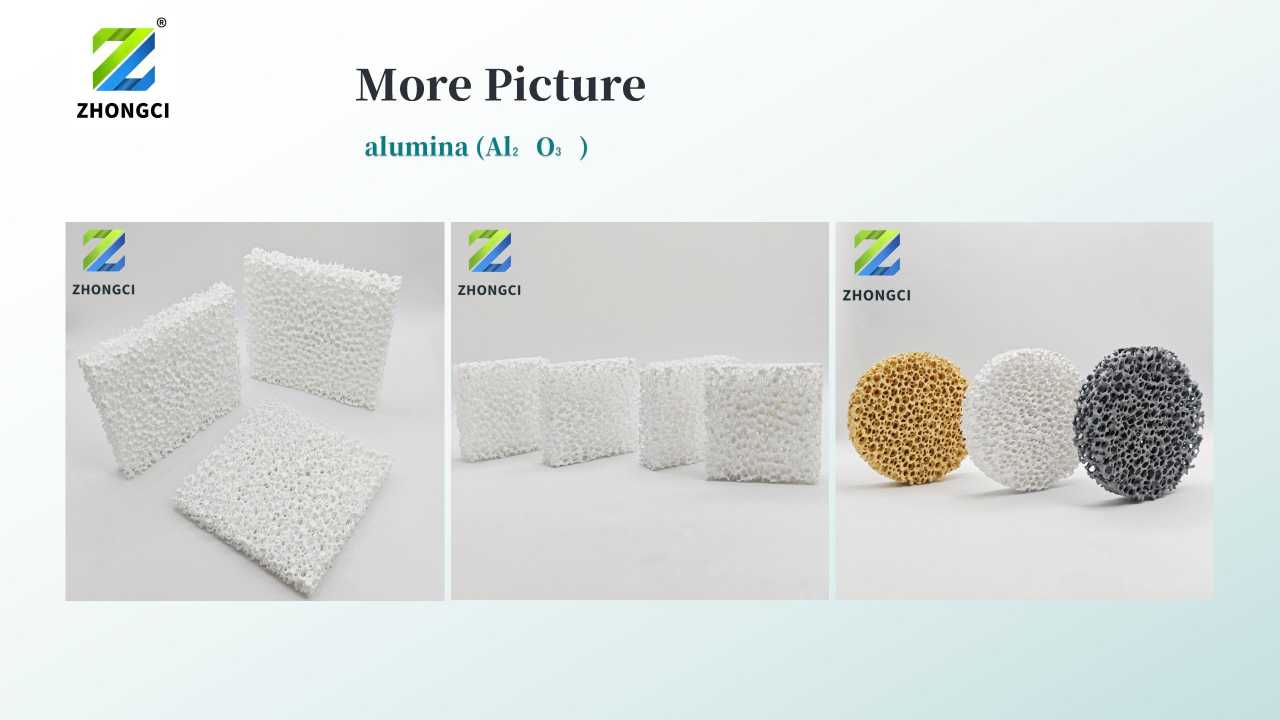
- High-Temperature Insulation
- Insulation layers for industrial furnaces, kilns, and heat exchangers to reduce energy loss.
- Thermal barriers in aerospace components (e.g., rocket engine nozzles, thermal protection systems).
- Heat Storage Materials
- High specific heat capacity and thermal conductivity (enhanced via pore structure) make them suitable for thermal energy storage systems in concentrated solar power plants.
3. Environmental Engineering
- Gas Filtration and Purification
- Filters for removing particulates (e.g., dust, fly ash) from flue gases in power plants and incinerators.
- Catalyst supports for automotive exhaust systems (e.g., diesel particulate filters, DPF) and industrial VOC treatment.
- Wastewater Treatment
- Substrates for biological filters to remove organic pollutants and heavy metals, leveraging their high specific surface area and chemical inertness.
4. Aerospace and Defense
- Lightweight Structural Components
- Panels and brackets for aircraft interiors and satellite structures, balancing strength and weight (density ~0.3–0.8 g/cm³).
- Protective Materials
- Impact-resistant shields for military vehicles and armor, absorbing kinetic energy through pore collapse.
5. Electronics and Semiconductors
- Heat Sinks and Substrates
- Thermal management in high-power electronic devices (e.g., LED chips, power modules) due to their low thermal expansion and moderate thermal conductivity.
- Electromagnetic Wave Absorption
- Modified with conductive fillers for radar-absorbing materials in stealth technology.
6. Biomedical and Healthcarehttps://www.rtoceramic.com/product/alumina-foam-ceramic-filter-plate-for-aquarium-filter-media/
- Bone Tissue Engineering
- Scaffolds for bone regeneration, with porous structures mimicking natural bone architecture (pore size 100–500 μm for cell infiltration).
- Drug Delivery Systems
- Controlled-release carriers for localized drug administration, though surface modification is often required for biocompatibility.
7. Construction and Building Materials
- Fireproof and Insulating Panels
- Components in fire-resistant walls and roofs, combining thermal insulation with structural support.
- Soundproofing Materials
- Porous structure reduces noise transmission in industrial buildings and transportation infrastructure.
8. Catalysis and Chemical Engineering
- Catalyst Supports
- Used in petrochemical reactors (e.g., hydrocracking, reforming) and environmental catalysis (e.g., CO₂ conversion), offering high stability under harsh conditions.
- Reactor Internals
- Distributor plates and packing materials in chemical reactors to enhance fluid distribution and mass transfer.
9. Nuclear Industry
- Radiation Shielding
- Combined with heavy metals (e.g., boron, lead) for neutron and gamma-ray shielding in nuclear reactors and waste storage facilities.
- High-Temperature Containment
- Components in nuclear fusion devices (e.g., tokamaks) due to resistance to extreme temperatures and radiation.
10. Advanced Manufacturing and Research
- Investment Casting (Lost-Wax Process)
- Ceramic cores for complex metal components (e.g., turbine blades) in aerospace engines.
- Composite Reinforcements
- Skeletal frameworks for metal-matrix composites (MMCs), improving strength and heat dissipation.
Key Application Drivers
- Tailored Porosity: Higher porosity (80%–95%) suits insulation and filtration, while lower porosity (50%–70%) prioritizes mechanical strength.
- Surface Modification: Coating with functional materials (e.g., catalysts, metals) expands application scope.
As technology advances, alumina foam ceramics continue to enable innovations in green energy, precision manufacturing, and biomedical fields, driven by their versatile property combinations.