
Advantages-Corundum-Based RTO Regenerators
- Exceptional High-Temperature Resistance
Corundum-based regenerators are primarily composed of α-alumina (Al₂O₃), which has an extremely high melting point (approximately 2050°C) and excellent thermal stability. This allows them to operate reliably in extreme high-temperature environments. Such as industrial furnaces, glass melting kilns, and waste incinerators, where temperatures often exceed 1600°C. Unlike many other ceramic materials. (e.g., cordierite, which degrades above 1300°C). And corundum retains its structural integrity and performance even under prolonged exposure to ultra-high temperatures. Which making it ideal for high-heat industrial processes.
- Superior Heat Storage Capacity
α-alumina has a relatively high specific heat capacity (typically 0.8–1.0 kJ/(kg·K) at room temperature). And enabling corundum-based regenerators to store more heat per unit mass compared to many other ceramic regenerators. (e.g., cordierite, with a specific heat capacity of 0.7–0.9 kJ/(kg·K)). This high heat storage density translates to greater total heat retention, which is critical in applications requiring large-scale energy storage, such as molten salt thermal systems or high-temperature waste heat recovery units. - High Thermal Conductivity
Corundum exhibits a high thermal conductivity (20–30 W/(m·K) at room temperature), significantly higher than that of silicate ceramics like cordierite (1–3 W/(m·K)). This property allows for rapid heat transfer: the material can quickly absorb heat from high-temperature fluids (e.g., flue gas) and efficiently release it to colder streams (e.g., combustion air). This fast thermal response enhances the overall heat exchange efficiency in systems with frequent heating and cooling cycles. - Excellent Mechanical Strength
The dense crystalline structure of α-alumina grants corundum-based regenerators high compressive strength (often exceeding 200 MPa) and wear resistance. This durability makes them resistant to physical damage from particle impacts, thermal stress-induced cracking (to a certain extent), and mechanical handling. They maintain their structural integrity longer than more brittle ceramics, reducing maintenance costs in harsh industrial environments. - Chemical Inertness
Corundum is highly resistant to chemical corrosion, oxidation, and reactions with acidic or alkaline substances. This inertness is crucial in applications where the regenerator comes into contact with corrosive gases (e.g., in waste incineration or chemical processing), preventing material degradation and ensuring long-term performance stability.
Disadvantageshttps://www.rtoceramic.com/product-category/all-products/rto-honeycomb-ceramic/-Corundum-Based RTO Regenerators
- Poor Thermal Shock Resistance
A major drawback of corundum-based regenerators is their relatively high thermal expansion coefficient (approximately 8–9 × 10⁻⁶ K⁻¹). When subjected to rapid temperature changes (e.g., sudden shifts from hot to cold in regenerative burners), the material experiences significant internal thermal stress, which can lead to cracking or even fragmentation. This limits their suitability for applications with extreme and frequent temperature fluctuations, where thermal shock resistance is critical (e.g., small-scale domestic boilers). - Higher Cost
α-alumina, the primary raw material, is more expensive than silicate minerals (e.g., those used in cordierite production). Additionally, manufacturing corundum-based regenerators often requires high-temperature sintering processes to achieve dense, high-purity structures, further increasing production costs. This makes them less economically viable for low-budget applications compared to cheaper alternatives. - Lower Specific Surface Area
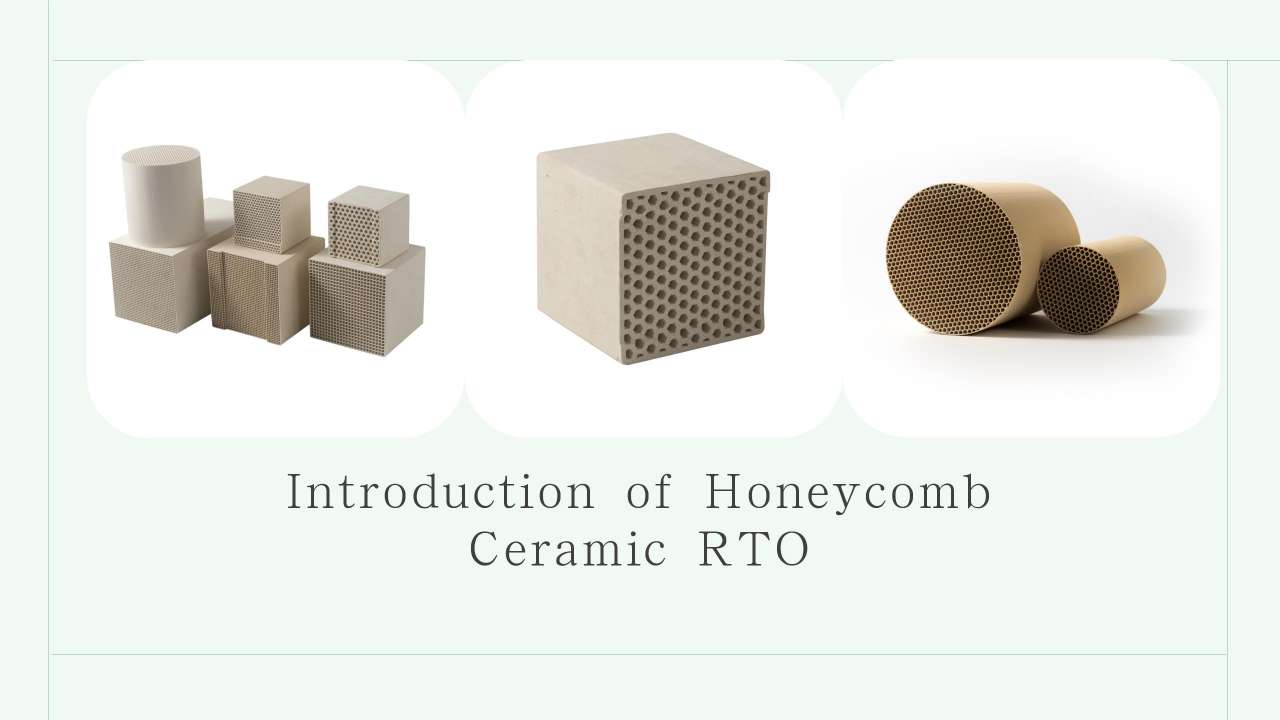
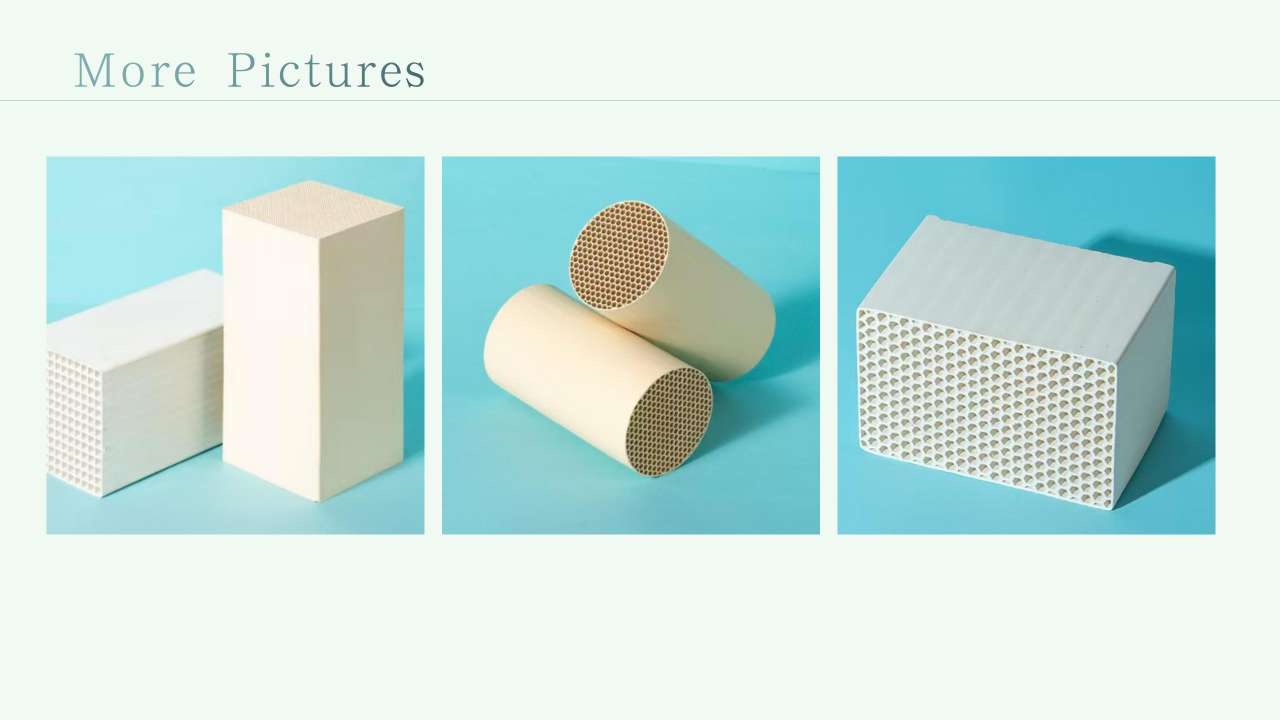
Corundum-based regenerators are typically manufactured as solid blocks or pellets, which have a lower specific surface area compared to honeycomb-structured ceramics like cordierite. A smaller surface area reduces the contact area between the regenerator and the heat-carrying fluid, potentially limiting heat exchange efficiency in systems where fluid flow rates are low or heat transfer relies heavily on surface interactions. - Weight and Density
Corundum’s high density (3.9–4.0 g/cm³) makes these regenerators heavier than lighter ceramics (e.g., cordierite, with a density of 2.5–2.7 g/cm³). This increased weight can complicate installation, require stronger support structures, and increase energy consumption in systems where the regenerator itself is part of a moving component. - Limited Suitability for Low-Temperature Applications
While exceptional at high temperatures, corundum’s advantages (e.g., high heat storage capacity, chemical inertness) are less critical in low-temperature (below 800°C) scenarios. In such cases, the material’s higher cost and lower thermal shock resistance make it less practical than alternatives like cordierite, which offer better performance-to-cost ratios in moderate temperature ranges.
Summaryhttps://www.chempackings.com/honeycomb-ceramic/-Corundum-Based RTO Regenerators
Corundum-based regenerators excel in high-temperature, high-stress environments due to their superior heat storage, thermal conductivity, and chemical stability. However, their poor thermal shock resistance, higher cost, and weight limit their applicability in low-temperature or budget-constrained systems. Their use is therefore most justified in industrial processes requiring reliable performance under extreme heat and mechanical stress.