
Introduction to Honeycomb Ceramic Regenerators How to Select Honeycomb Ceramic Regenerators
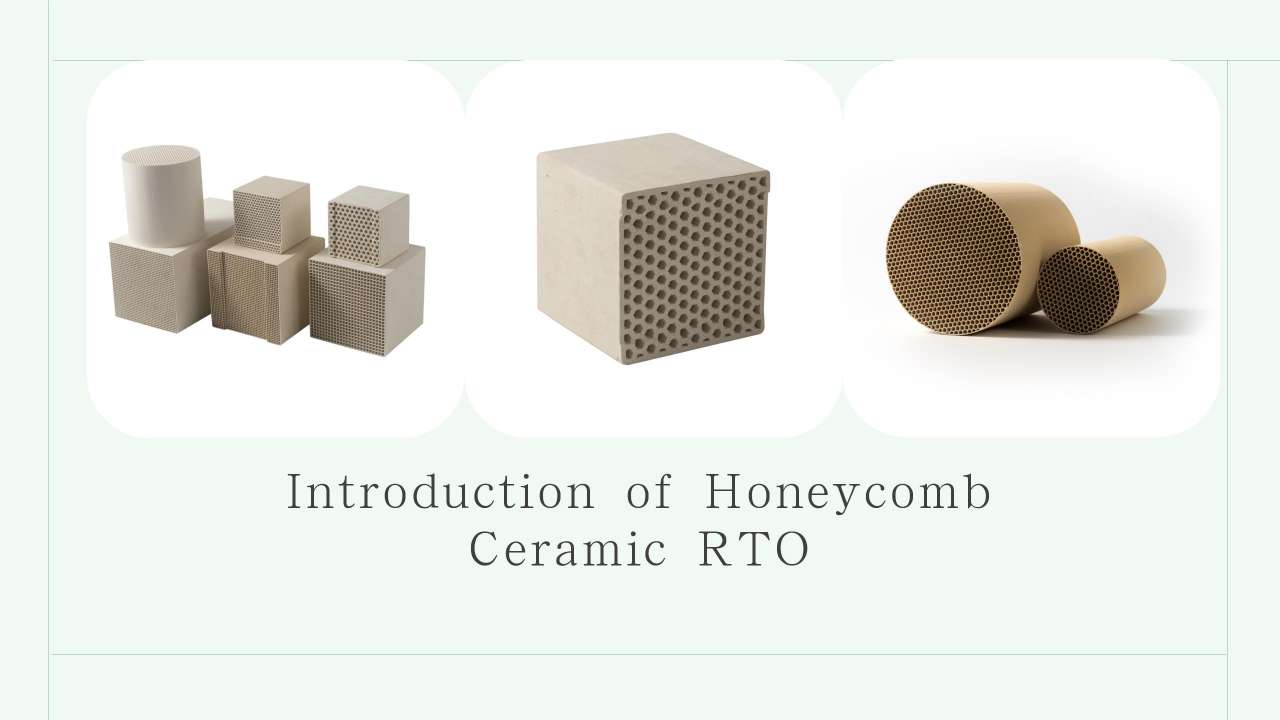
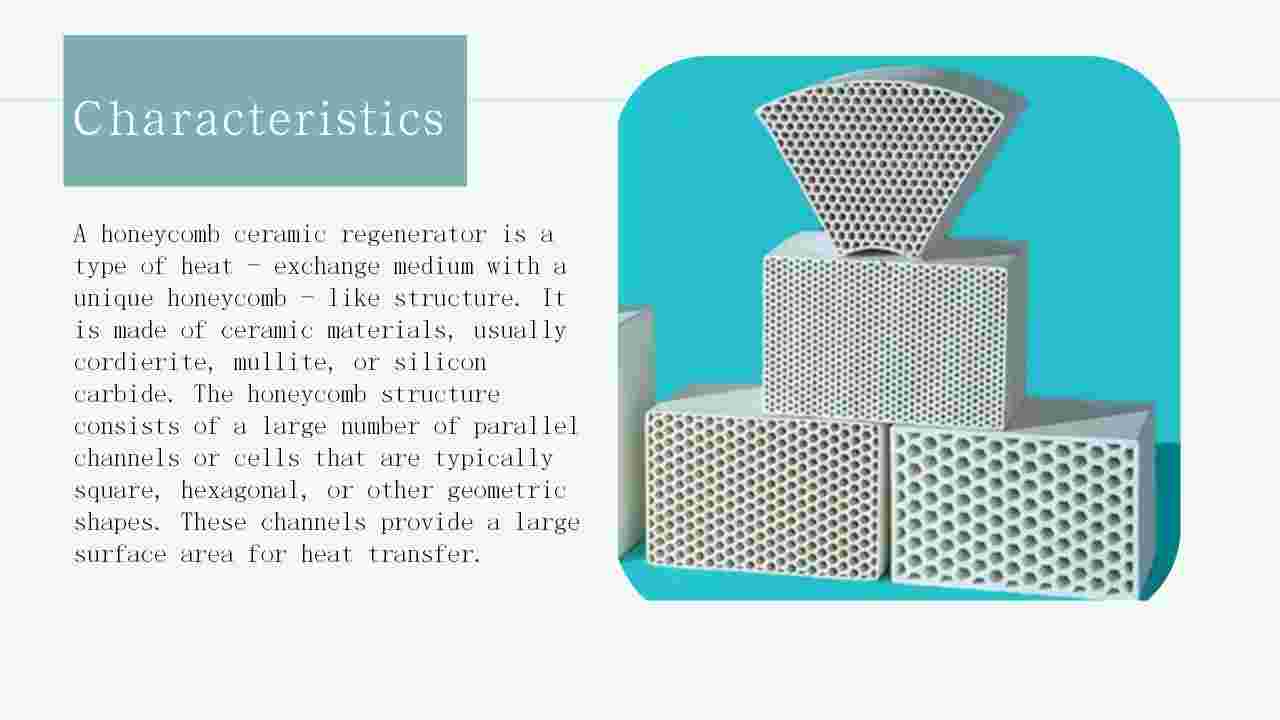
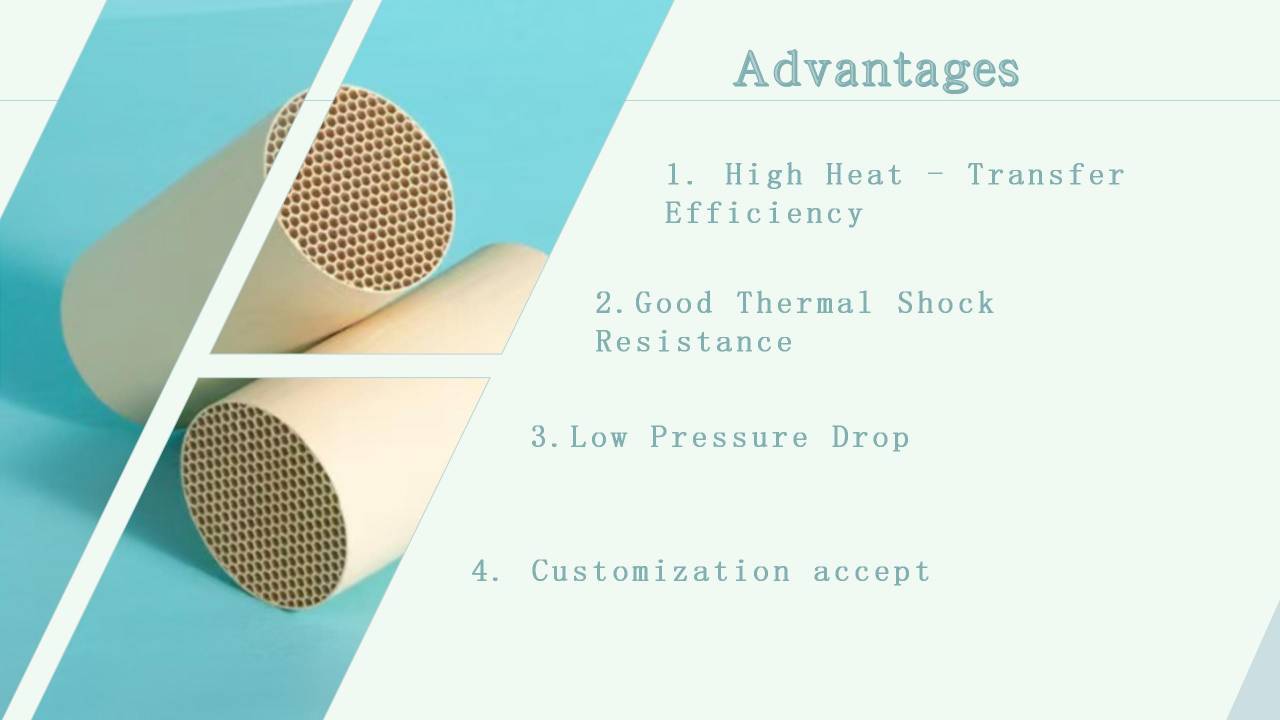
Honeycomb ceramic regenerators are highly efficient heat – storage devices. They have a unique honeycomb – like structure, which provides a large surface area for heat transfer. Made from heat – resistant ceramic materials, they can withstand high temperatures, typically up to 1300°C or even higher in some cases. This property makes them suitable for applications in high – temperature industrial processes.https://www.rtoceramic.com/
How to Select Honeycomb Ceramic Regenerators
- Temperature Resistance: Consider the maximum operating temperature of your process. Ensure the regenerator can endure these temperatures without degradation. For example, in steel – making furnaces with temperatures around 1000 – 1200°C, choose regenerators with appropriate high – temperature tolerance.
- Porosity and Surface Area: Higher porosity allows for better gas flow, while a large surface area enhances heat transfer efficiency. In applications where rapid heat exchange is crucial, like in some combustion systems, select regenerators with optimized porosity and surface area parameters.
- Mechanical Strength: The regenerator should be strong enough to resist thermal shock and mechanical stress during operation. In industries with frequent start – stop cycles, such as glass manufacturing, mechanical strength becomes a key factor in selection.
Applications of Honeycomb Ceramic Regenerators
- Industrial Furnaces: They are widely used in industrial furnaces like those in the metal – processing industry. By recovering waste heat, they pre – heat the incoming air or fuel gas, improving the overall energy efficiency of the furnace.
- Combustion Systems: In modern combustion systems, honeycomb ceramic regenerators help in achieving low – NOx emissions. They enable flameless combustion by pre – heating the combustion air, which leads to more uniform temperature distribution and reduced pollutant formation.
- Heat – Recovery Ventilation: In buildings, these regenerators can be used in heat – recovery ventilation systems. They transfer heat from the exhaust air to the incoming fresh air, reducing the energy required for heating or cooling the fresh air, thus saving energy in HVAC systems.https://www.chempackings.com/honeycomb-ceramic/